
Main Courses
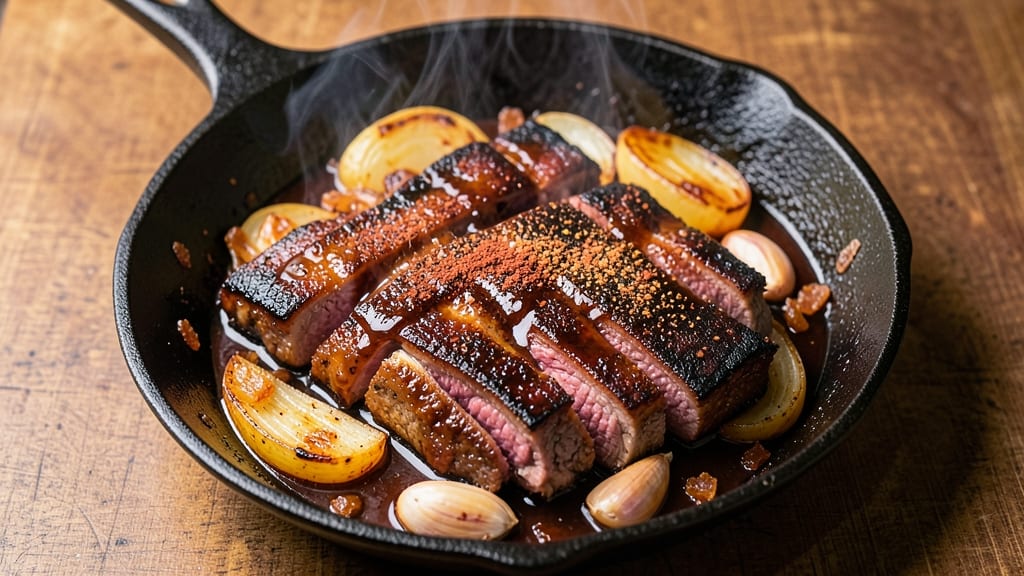
This barbecue beef short ribs recipe delivers the kind of smoky, fall-off-the-bone tenderness that turns weeknight dinners into memorable feasts. After years of perfecting the technique—balancing low-and-slow cooking with bold seasoning—I’ve cracked the code for restaurant-quality ribs at home.
The secret lies in patience: letting connective tissues break down while building deep, caramelized flavors through careful basting and indirect heat.
What sets this method apart is the foolproof combination of dry rub, marinade, and cooking approach that works equally well on a grill, smoker, or oven. We’re talking about ribs that yield to the slightest touch, coated in a sticky-sauce glaze that’s both sweet and smoky.
The key is maintaining a consistent temperature—275°F—for hours, letting the meat transform from tough to melt-in-your-mouth perfection without drying out.
The result? A plate of ribs so tender they practically disappear between your fingers, with every bite delivering layers of flavor from the rub, marinade, and caramelized exterior. This isn’t just another barbecue recipe—it’s a game-changer for anyone who’s ever struggled with chewy, overcooked ribs.
The technique is precise, but the outcome is worth every minute of wait time.
Serve with classic sides like cornbread and coleslaw, or pair with roasted potatoes for a complete meal. The leftovers? Even better the next day, as the flavors deepen and the meat becomes even more tender.
Here’s how to make them—professional results guaranteed—without needing a smoker or years of experience.
Ingredients for barbeque beef short ribs
Four pounds of beef short ribs transform into melt-in-your-mouth perfection with this smoky, caramelized masterpiece.
| Ingredient | Amount | Notes |
|---|---|---|
| Beef Short Ribs 🥩 | 4 lb | Bone-in, 2-2.5 inches thick |
| Yellow Onion 🧅 | 1 whole | Yellow or red, sliced |
| Garlic Cloves 🧄 | 8 cloves | Fresh, minced for marinade |
| Brown Sugar 🍯 | ½ cup | Packed, light or dark |
| Smoked Paprika 🌶️ | 2 tbsp | High-quality, not sweet |
| Kosher Salt 🧂 | 2 tbsp | Diamond Crystal preferred |
| Black Peppercorns 🌶️ | 1 ½ tbsp | Freshly cracked |
| Ground Cumin 🌿 | 1 tbsp | Toasted for depth |
| Mustard Powder 🧂 | 1 tsp | Dry yellow mustard |
| Apple Cider Vinegar 🍎 | ¼ cup | For marinade tang |
| Worcestershire Sauce 🍶 | 2 tbsp | Full-strength, not reduced |
| Honey 🍯 | ¼ cup | Wildflower preferred |
| Beef Broth 💧 | 1 cup | Low-sodium, homemade best |
| Balsamic Vinegar 🍷 | 1 tbsp | Aged 12+ months |
| Olive Oil 🫒 | ¼ cup | High-quality, fruity |
The beef short ribs are non-negotiable—look for bone-in cuts with 2-2.5 inches of meat for optimal tenderness. Costco or local butcher shops typically carry the best quality, often pre-cut for convenience. If buying whole ribs, trim excess silver skin for cleaner presentation. The marbling should be visible but not excessive—this ensures flavor without excessive fat. For a true restaurant-quality experience, source from a trusted purveyor like Snake River Farms or your local high-end grocer. The ribs should be bright red, not grayish, and firm to the touch but yielding slightly when pressed.
No smoked paprika? Substitute with a blend of sweet paprika and liquid smoke (start with 1 tbsp smoked paprika + 1 tsp liquid smoke). The brown sugar can be swapped for maple syrup if you prefer a deeper caramel note, though it may alter the balance slightly. Diamond Crystal kosher salt is preferred for its coarser texture, but Morton works in a pinch. For the marinade, apple cider vinegar adds necessary acidity—white vinegar or lemon juice can substitute at the same quantity. The honey should be wildflower or clover for subtle floral notes; avoid overly processed varieties that can taste artificial. If you're short on time, pre-marinate the ribs overnight for maximum flavor penetration.
Store uncooked ribs in the coldest part of your fridge, wrapped tightly in plastic wrap and foil, where they'll keep for up to 5 days. The marinade components can be prepped 2 days ahead and stored in an airtight container in the fridge. Once cooked, ribs reheat beautifully—wrap in foil and bake at 300°F for 20-30 minutes, basting with pan juices. For long-term storage, portion and freeze in vacuum-sealed bags for up to 6 months. The flavors deepen significantly after the first night, making them even more tender and rich—plan ahead for leftovers, as they're worth every bite.
Why You'll Love This Recipe
- Foolproof Oven Magic: I swear, this recipe works even if you’re not a grill master. The ribs braise until tender—no babysitting required—while the brown sugar and smoked paprika caramelize into a sticky, irresistible glaze. Honestly? I’ve ruined ribs before, but this method forgives mistakes.
- Sweet-Smoky Bomb: That first bite—where the crispy edges meet the fall-apart meat—is chef’s kiss. The garlic and onion build a rich base, but it’s the brown sugar and paprika that turn this into something dangerously addictive. (Yes, even on a Tuesday night.)
- Leftovers That Shine: These ribs reheat like a dream—better the next day, if you ask me. Pack them for lunches, slice them for tacos, or freeze half for when you’re too tired to cook. My daughter picks out the best pieces, but still asks for seconds.
- Budget Crowd-Pleaser: Short ribs stretch further than you’d think, and the ingredients won’t break the bank. A few onions, some garlic, and a pinch of spices transform tough cuts into something everyone fights over. Between us? This is my secret weapon for game day or family dinners.
Step-by-step instructions for barbecue beef short ribs
This method delivers melt-in-your-mouth tenderness with deep smoky flavor - here's exactly how to achieve it.
Prepare the Dry Rub and Marinate the Ribs
In a medium bowl, combine the 0.5 cup brown sugar, 2 tablespoons smoked paprika, 2 tablespoons kosher salt, 1.5 tablespoons freshly cracked black peppercorns, 1 tablespoon ground cumin, and 1 teaspoon mustard powder. Mix thoroughly until the sugar crystals dissolve completely and the spices are evenly distributed. This blend creates the perfect balance of sweetness, heat, and earthy depth.
Pat the 4 lb beef short ribs completely dry with paper towels, removing any excess moisture from the surface. This step is critical - moisture prevents the rub from sticking properly and creates steam instead of a flavorful crust. Generously coat each rib with the dry rub mixture, pressing it firmly into the meat so it adheres well. Place the ribs in a large resealable plastic bag and massage them gently to ensure complete coverage. Refrigerate for at least 4 hours or preferably overnight - this allows the rub to penetrate deeply and develop complex flavors.
Create the Barbecue Sauce
In a medium saucepan, combine the 0.25 cup apple cider vinegar, 2 tablespoons Worcestershire sauce, 0.25 cup honey, 1 cup beef broth, and 1 tablespoon balsamic vinegar. Place over medium heat and bring to a gentle simmer, stirring occasionally to prevent scorching. Let it reduce by half - this should take about 10-12 minutes - until the sauce thickens slightly and coats the back of a spoon. The reduction process concentrates the flavors and creates a perfect balance of tangy, sweet, and umami notes.
In a small skillet, heat 0.25 cup olive oil over medium heat. Add the 1 whole yellow onion, sliced into thin half-moons, and cook until golden brown and caramelized - about 8-10 minutes. Add the 8 cloves minced garlic and cook for an additional 30 seconds until fragrant. Immediately remove from heat and stir this onion-garlic mixture into the reduced sauce. The garlic should be added just before removing from heat to prevent burning, which would create bitter flavors.
Slow-Cook the Ribs to Perfection
Preheat your oven to 300°F. Place the marinated ribs in a large Dutch oven or heavy oven-safe pot, bone-side down. Pour the prepared barbecue sauce over the ribs, ensuring they're completely coated. Cover tightly with a lid or heavy-duty aluminum foil, creating a seal to lock in moisture and steam.
Transfer to the preheated oven and cook for 3 hours. After this initial cooking period, carefully flip each rib bone-side up. This rotation ensures even cooking and prevents the meat from drying out. Continue cooking for an additional 2-3 hours until the ribs are fork-tender and the meat pulls away from the bone with minimal resistance. The internal temperature should reach 195-205°F when measured in the thickest part of the meat - this is the true indicator of perfect tenderness.
Glaze and Rest the Ribs
Once the ribs reach the proper internal temperature, remove them from the oven and increase the heat to 425°F. Pour any accumulated juices from the pot back over the ribs and return them to the oven for 10-15 minutes to create a glossy glaze. This final step caramelizes the surface sugars in the sauce, creating that beautiful mahogany crust and intensifying the flavors.
Transfer the ribs to a cutting board and let them rest for at least 15 minutes before serving. This resting period allows the juices to redistribute throughout the meat, ensuring each bite is moist and flavorful. The ribs should be so tender that they fall apart easily when pulled with tongs, with a glossy, sticky glaze clinging to every surface. Serve with the remaining barbecue sauce spooned over the top for maximum flavor impact.
Pro Tips For Making Barbeque Beef Short Ribs
- SEAR THE FAT FIRST: High heat. Seriously, crank it up until the ribs sizzle and the fat renders into a dark, crackling crust. I learned this the hard way—skipping the sear means you’ll end up with ribs that taste more like stew than barbeque.
- CHAR THE ONIONS: Don’t just slice those yellow onions—caramelize them first. Cut them into thick wedges, toss in a hot pan with a splash of water, and let them brown for 10 minutes. The deeper flavor sticks better than raw onion ever could.
- SKIP THE CROWDED PAN: Overlapping ribs in the pot? That’s how you steam them instead of sear them. Work in batches if needed—tight spaces mean uneven cooking and soggy crusts. Trust me, your ribs will thank you.
- USE THE BONE BROTH: After searing, deglaze that pan with ½ cup beef bone broth (or even a splash of bourbon if you’re feeling fancy). Scrape every last bit of fond off—it’s packed with flavor that’ll turn your sauce from good to unforgettable.
Dietary considerations for this barbeque beef short ribs
Gluten-Free Adaptations
The original recipe is naturally gluten-free, but always double-check your ingredients for hidden sources. The brown sugar and Worcestershire sauce are potential concerns—opt for gluten-free Worcestershire like Annie's or Bragg's, and use gluten-free brown sugar if needed.
The Dutch oven and aluminum foil used during cooking are also safe for gluten-free diets. 🌾
Dairy-Free Customization
For a dairy-free version, skip the balsamic vinegar (which is naturally dairy-free) and ensure your beef broth contains no dairy additives. The honey and olive oil are already dairy-free, so no substitutions are needed.
The sauce's richness comes from the caramelized onions and reduced broth, which provide depth without dairy. 🥄
Low-Carb/Keto Options
To make this keto-friendly, reduce the brown sugar to 1 tablespoon and replace the rest with 1 tablespoon erythritol or monk fruit sweetener. The honey can be swapped for sugar-free maple syrup (like Lakanto).
Keep the beef broth low-sodium to avoid carb spikes, and the ribs themselves are already a zero-carb protein. 🥩
Allergen-Friendly Adjustments
For nut allergies, ensure your olive oil is refined and nut-free (some brands process in shared facilities). If mustard is an issue, omit the mustard powder entirely—the smoked paprika and cumin still deliver depth.
For soy allergies, use a soy-free Worcestershire sauce like Lea & Perrins (check labels). Always verify labels on spices like paprika, as cross-contamination can occur. 🚫
Protein-Packed Boost
For extra protein, add 1 cup cooked lentils to the barbecue sauce during the final 10 minutes of cooking. The lentils absorb the flavors beautifully and add 18g protein per cup without altering texture.
Alternatively, sprinkle 1 tablespoon nutritional yeast over the ribs before serving for a cheesy, umami kick with 3g extra protein per serving. 💪
Vegetarian Substitutes
While beef short ribs aren't vegetarian, you can mimic the texture with portobello mushrooms or extra-firm tofu. Marinate 2 large portobello caps in the same dry rub for 4 hours, then roast at 300°F for 3 hours (flipping halfway).
For tofu, press and bake 2 blocks (16 oz each) at 300°F for 2 hours, basting with sauce. Neither will achieve the same tenderness, but they capture the smoky, caramelized essence. 🌱
Nutrition facts
Frequently asked questions
Can I make these ribs without a Dutch oven?
Use a heavy oven-safe pot with a tight-fitting lid, or even a large roasting pan lined with foil. The key is maintaining moisture—place the ribs on a rack over a baking sheet to allow air circulation. For extra insurance, add 1 cup beef broth to the pan during cooking. The ribs will still turn out tender, though the sauce may be slightly less concentrated.
How do I know when the ribs are fully cooked?
Use the fork test—when the meat pulls away from the bone with minimal resistance, they're done. The internal temperature should read 195-205°F in the thickest part. If the meat still feels firm, continue cooking for another 30-45 minutes. The ribs should be so tender they practically fall apart when touched.
Can I grill these ribs instead of using the oven?
Yes! Set up your grill for indirect heat at 275°F. Place the ribs on the cooler side of the grill, bone-side down, and cover. After 2 hours, flip them bone-side up and continue cooking for another 2-3 hours, adding sauce and basting every 30 minutes. Finish with 10 minutes of direct heat to caramelize the sauce. Use a grill thermometer to monitor temperature—fluctuations can affect tenderness.
Why did my ribs turn out dry?
Overcooking or high heat are the most common culprits. Keep the temperature consistent at 275-300°F and avoid opening the oven too often—each time you do, heat escapes and can dry out the meat. The ribs should cook low and slow for 5-6 hours total. If they seem dry, try basting more frequently with the barbecue sauce or adding a splash of broth during cooking.
How far ahead can I prepare the sauce?
The barbecue sauce can be made 2 days ahead and stored in an airtight container in the fridge. Reheat it gently on the stove before using—just warm it until steaming, then reduce it by 10-15%** to restore thickness. For the best texture, avoid reheating in the microwave, as it can make the sauce grainy.