
Desserts
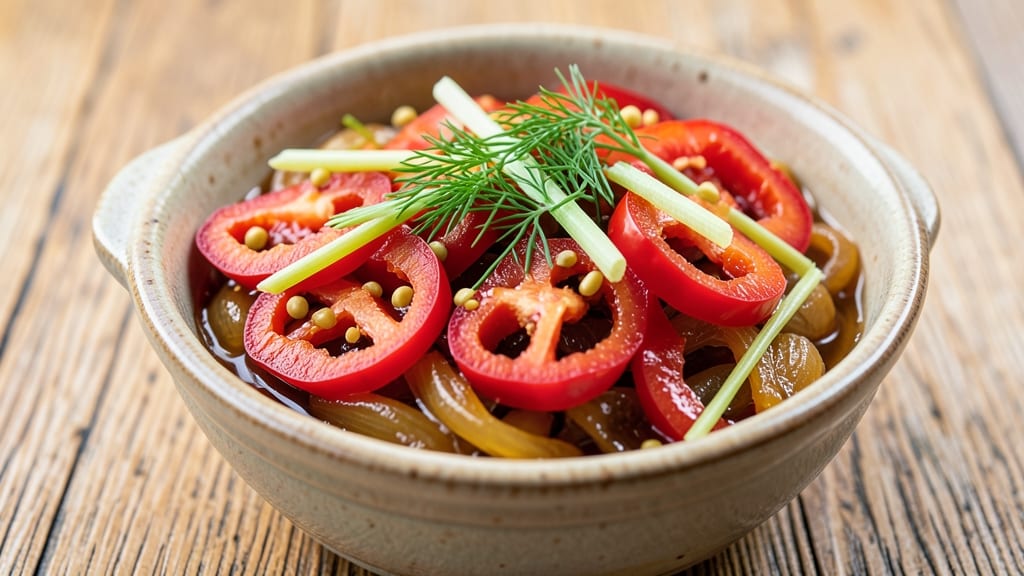
This banana pepper relish transforms humble pantry ingredients into a sweet-spicy condiment that adds crunch and complexity to every bite. The perfect balance of tangy vinegar, caramelized onions, and crisp banana peppers creates a texture that’s both spreadable and satisfying—ideal for elevating sandwiches, burgers, or charcuterie boards.
I developed this recipe after craving a condiment with more depth than store-bought versions, and it’s become a staple in my kitchen.
The process is straightforward but yields professional results: thinly sliced onions and celery caramelize until tender, while banana peppers soak up a bright vinegar-sugar brine for just the right crunch. A touch of mustard adds subtle heat, while fresh herbs like dill or parsley brighten the finished relish.
What sets this apart is how the flavors meld over time—it tastes even better after a few days in the fridge.
Once complete, you’ll have a vibrant, chunky relish with a sweet-spicy kick that pairs beautifully with rich meats, creamy cheeses, or crisp vegetables. Its versatility makes it a pantry essential—use it as a sandwich spread, burger topping, or even a tangy dip for chips.
The recipe scales easily, so you can make a big batch to enjoy for weeks.
Storage is simple: transfer to airtight jars in the refrigerator, where it’ll keep for up to 3 months, developing deeper flavor with each passing day. Whether you’re hosting a picnic or prepping for meal prep, this relish delivers restaurant-quality flavor with minimal effort. Let’s make it!
Ingredients for banana pepper relish
Sweet-spicy crunch in a jar—just 10 pantry staples transform into vibrant, tangy relish.
| Ingredient | Amount | Notes |
|---|---|---|
| Banana Peppers 🌶️ | 1 ½ cups | Thinly sliced, seeds removed |
| Yellow Onions 🧅 | 1 whole | Thinly sliced, caramelized |
| Celery Stalks 🥬 | 3 whole | Thinly sliced, for texture |
| White Vinegar 💧 | 1 cup | White or apple cider |
| Granulated Sugar 🍚 | ½ cup | Light brown sugar preferred |
| Yellow Mustard 🥬 | 2 tbsp | Dijon for extra tang |
| Fresh Dill 🌿 | ¼ cup | Chopped, stems removed |
| Fresh Parsley 🌿 | ¼ cup | Chopped, for brightness |
| Salt 🧂 | 1 ½ tsp | Diamond Crystal preferred |
| Black Peppercorns 🌶️ | ½ tsp | Freshly cracked preferred |
The banana peppers are the star, so pick fresh, firm ones from the produce section—not those sad, wrinkled jars. Trader Joe’s or local farmers markets usually have the best quality, but grocery store brands work too if they’re plump. Thinly slice them (seeds out for milder heat) and pack them tightly for maximum crunch. The onions and celery should be crisp and fresh—no rubbery ends. Caramelizing them until tender (about 15 minutes) brings out their natural sweetness, which balances the vinegar’s tang. I always double-check my onions for moisture—pat them dry before slicing to avoid a watery relish.
No fresh dill? Dried works at half the amount, but it lacks that bright pop. Short on mustard? Hot sauce or a dash of cayenne adds heat without changing texture. The sugar can be swapped for honey or maple syrup (reduce vinegar by 1 tbsp to balance). For a smoky twist, add 1 tbsp smoked paprika to the brine. And if you’re feeling fancy, substitute shallots for onions—they add a subtle bite. The relish tastes even better after a few days, so don’t rush it (trust me, the flavors meld like magic).
Transfer to sterilized glass jars with tight lids—this keeps the relish crisp for up to 3 months in the fridge. I like to portion it into small jars so I can grab one for sandwiches without digging through the whole batch. The flavors deepen over time, so make a big batch and enjoy it all month. If you’re gifting, parchment-wrapped jars make a cute presentation. Leftovers? Use within a week once opened, or freeze for up to 6 months (though texture softens slightly).
Why You'll Love This Recipe
- No-Fuss Assembly: I swear by this one—just chop, toss, and let it sit. No peeling, no fancy techniques, just a knife, a bowl, and 10 minutes of your time. The peppers and onions do all the work after that.
- Sweet Heat Balance: That tangy vinegar cut with sugar? It’s the magic. The banana peppers add a bright, mild kick while the onions and celery mellow it out—like a party where everyone’s invited but no one overstays their welcome.
- Leftover Goldmine: This stuff lasts forever in the fridge. Use it on burgers, sandwiches, or even as a quick topping for roasted potatoes. Honestly, I’ve had it last a month and still reach for it—no joke.
- Budget Pantry Hero: Five ingredients, all cheap and shelf-stable. You’re basically turning pantry staples into something that tastes like you slaved over it. My grocery bill thanks me every time I make a batch.
Step-by-step instructions for banana pepper relish
Let's create a vibrant, sweet-spicy relish that balances crunch, heat, and tangy brightness perfectly.
Prepare and Caramelize the Base Vegetables
In a large skillet over medium heat, combine the 1 whole yellow onions and 3 whole celery stalks, both thinly sliced. Cook for 10-12 minutes, stirring occasionally, until the onions turn deep golden brown and the celery softens but retains its shape. This caramelization builds rich sweetness that balances the vinegar's acidity.
I like to press down gently on the vegetables with a wooden spoon during the first 5 minutes—this prevents them from sticking and ensures even browning. Watch closely as they cook; you'll know they're ready when they release easily from the pan and develop that beautiful caramel hue. Remove from heat and let cool slightly before proceeding.
Combine Wet Ingredients and Seasonings
In a large mixing bowl, whisk together the 1 cup white vinegar, 0.5 cup granulated sugar, 2 tablespoons yellow mustard, 1.5 teaspoons salt, and 0.5 teaspoon freshly cracked black peppercorns. Stir until the sugar and salt dissolve completely—this ensures even distribution throughout the relish. The mixture should be smooth with no graininess remaining.
Here's the thing—adding the vinegar and sugar first creates a syrupy base that helps preserve the vegetables' texture. The mustard adds subtle tang, while the peppercorns provide just a hint of heat without overpowering the sweet-spicy profile. Let this mixture sit at room temperature for 5 minutes while you prepare the remaining ingredients.
Incorporate the Banana Peppers and Herbs
Add the 1.5 cups thinly sliced banana peppers (seeds removed) and the 0.25 cup chopped fresh dill to the warm onion-celery mixture. Gently fold everything together until the banana peppers are evenly distributed. The peppers should maintain their shape while absorbing the caramelized flavors from the base vegetables.
Next, stir in the 0.25 cup chopped fresh parsley and the vinegar-sugar mixture. Use a wooden spoon to combine thoroughly, ensuring every slice of banana pepper gets coated in the sweet-spicy marinade. The parsley adds brightness that cuts through the richness, while the dill introduces an herbal depth that complements the vinegar's acidity.
Pack and Refrigerate for Maximum Flavor Development
Transfer the relish to a clean, airtight glass jar or container, pressing down gently to eliminate air pockets. Seal tightly and refrigerate for at least 24 hours before serving—this resting period allows the flavors to meld beautifully. The longer it sits (up to 7 days), the more complex and balanced the taste becomes.
I know it seems counterintuitive to wait, but trust me—this step transforms the relish from good to extraordinary. The acidity mellows slightly, the sweetness deepens, and the textures become perfectly harmonized. When ready to serve, taste and adjust seasoning if needed, adding a pinch more salt or sugar if desired.
Pro Tips For Making Banana Pepper Relish
- CHOP ONIONS SMALL: I learned this the hard way—big chunks of onion mean a relish that’s more textured than blended. Dice them into 1/8-inch pieces so they dissolve into the mix instead of sitting like little surprises. Same goes for celery: a food processor does this in seconds, but if you’re doing it by hand, go slow—it’s worth it.
- COOK PEPPERS UNTIL SOFT: Don’t just heat the peppers—get them tender. They should collapse into themselves after 8-10 minutes in the pot. If you rush this, your relish will have a chewy bite that fights the vinegar instead of playing nice. A quick taste test: they should mash easily with a fork.
- SWEAT ONIONS FIRST: Start with the onions and celery in the pot without oil—just a splash of water. Cook them until they’re translucent and the water’s evaporated. This pulls out their natural sweetness before the vinegar hits, making the whole relish brighter. (Yes, it’s an extra 2 minutes, but it matters.)
- USE LESS SUGAR: I used to load this up with sugar, thinking it balanced the vinegar, but it just made the relish cloying. Start with half the recipe’s sugar, taste as you go, and add just enough to cut the acid. The peppers and onions already have sweetness—trust them. You’ll need less than you think.
Wine and beer pairings for this dish
Crisp White Wine
This relish’s bright acidity and herbal notes make it a perfect match for dry Riesling or Sauvignon Blanc. I love a chilled Finger Lakes Riesling—its crisp apple and citrus flavors complement the relish’s sweet-spicy balance while cleansing the palate.
For a more floral pairing, try a New Zealand Sauvignon Blanc, which adds a zesty grapefruit note that enhances the dill and parsley in the relish. 🍷
Hoppy IPAs
If you prefer beer, a citrusy IPA like New Belgium Fat Tire or Stone Ruination cuts through the relish’s richness with its hoppy bitterness. The citrus and pine notes in the IPA mirror the bright herbs in the relish, creating a refreshing contrast.
For a lighter option, a Belgian witbier like Hoegaarden adds a subtle spice and coriander kick that pairs beautifully with the banana peppers. 🍺
Smoky Bourbon
For a richer pairing, sip on a small-batch bourbon like Woodford Reserve or Buffalo Trace. The caramel and vanilla notes in the whiskey complement the caramelized onions and sugar in the relish, while the bourbon’s oakiness adds depth.
Serve the relish on a smoked gouda and apple sandwich for a perfect match that balances sweet, smoky, and tangy flavors. 🥃
Sparkling Wine
A glass of Prosecco or Cava adds a festive touch to any relish pairing. The effervescence cleanses your palate between bites, making it ideal for appetizers or charcuterie boards.
I especially love pairing this relish with La Marca Prosecco—its crisp, fruity notes enhance the sweet-spicy profile without overpowering it. Perfect for celebrations or casual gatherings! 🥂
Herbal Gin
For a cocktail twist, mix a gin-based drink like a Tom Collins or Gin & Tonic with fresh herbs. The juniper and citrus notes in gin echo the dill and parsley in the relish, while the effervescence keeps your palate fresh.
I like adding a splash of St. George Gin to a tonic with lime for a bright, herbal sip that pairs flawlessly. 🍸
Nutrition facts
Frequently asked questions
Can I make banana pepper relish without fresh herbs?
Yes! If you don’t have fresh dill or parsley, use ½ teaspoon dried dill and ½ teaspoon dried parsley instead. For extra flavor, add 1 teaspoon dried oregano or a pinch of smoked paprika to compensate. The relish will still taste great, though fresh herbs add the brightest notes.
How spicy should the relish be?
The recipe balances sweet and mild heat from banana peppers. For more kick, add ½ teaspoon cayenne or 1 tablespoon hot sauce to the vinegar mixture. If you prefer milder heat, remove the seeds from the peppers or reduce the mustard to 1 tablespoon.
Can I use jarred banana peppers instead of fresh?
Jarred peppers work, but drain and rinse them well to remove excess liquid. They’ll be softer and less crunchy, so add 1 extra tablespoon vinegar to compensate. For best texture, use fresh peppers—they hold their shape and add satisfying crunch.
How long does homemade relish last?
Store in an airtight glass jar in the fridge for up to 3 months. The flavors actually improve over time! For longer storage, freeze for 6 months, though texture may soften slightly. Always use clean utensils when scooping to prevent spoilage.
What’s the best way to use leftover relish?
Spread it on sandwiches, burgers, or hot dogs for instant flavor. Use as a topping for grilled meats, tacos, or charcuterie boards. It also works as a dip for chips or veggies. For extra richness, mix with Greek yogurt or sour cream for a creamy twist.