
Side Dishes
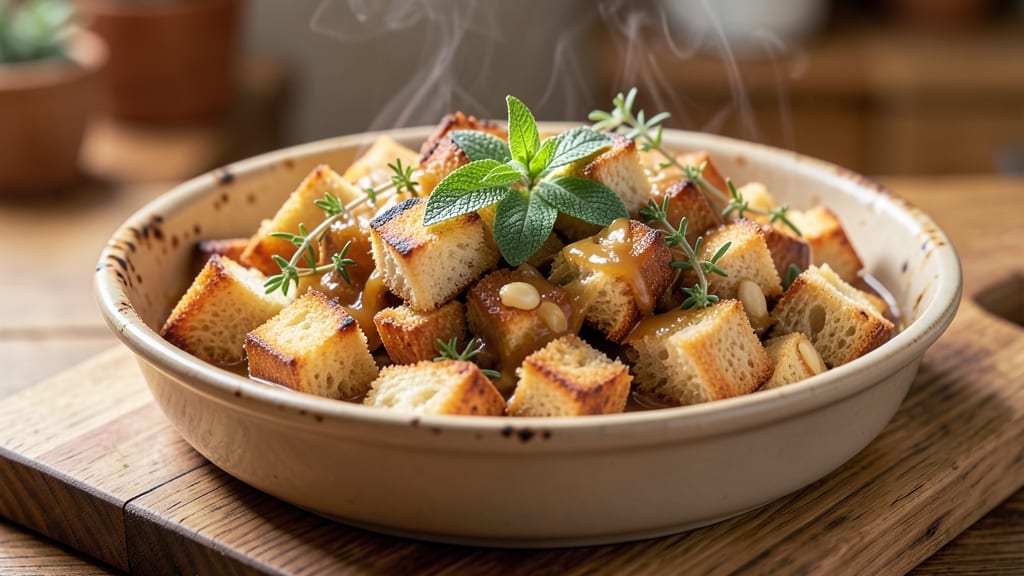
This baked stove top stuffing recipe delivers the perfect balance of crispy edges and herby moisture that elevates any holiday table. The secret lies in using a mix of day-old bread, aromatic herbs, and just the right amount of liquid to create a texture that’s both golden and tender.
I’ve perfected this method over years of testing—no soggy centers or dry crusts here.
The foundation starts with cubed bread, toasted lightly to remove excess moisture before baking. This ensures crispy edges while keeping the center deliciously moist, thanks to a broth-based liquid that infuses flavor as it bakes.
Fresh herbs like sage and thyme add depth, while a touch of garlic rounds out the savory profile. The result? A stuffing that’s restaurant-quality without the fuss.
By the time it emerges from the oven, your stuffing will have a golden-brown crust that cracks invitingly when sliced, revealing fluffy, herby layers beneath. This recipe works equally well for Thanksgiving, Christmas, or any special occasion where you want a showstopping side dish.
The best part? It’s foolproof—no overcooking or underseasoning here.
Pair it with roasted turkey, ham, or even as a standalone dish with gravy for dipping. Ready to master the art of baked stuffing? Let’s get started with this simple yet impressive recipe that will have everyone asking for seconds.
Ingredients for baked stove top stuffing
Day-old bread, aromatic herbs, and just the right liquid create the perfect baked stuffing texture.
| Ingredient | Amount | Notes |
|---|---|---|
| Day-Old Bread Cubes 🍞 | 8 cups | French or sourdough preferred |
| Unsalted Butter 🧈 | ½ cup | Cold, cubed for toasting |
| Fresh Sage Leaves 🌿 | ½ cup | Chopped, stems removed |
| Fresh Thyme Leaves 🌿 | ¼ cup | Chopped, stems removed |
| Garlic Cloves 🧄 | 4 cloves | Minced, for depth |
| Chicken Broth 💧 | 2 cups | Low-sodium preferred |
| Heavy Cream 🥛 | ½ cup | Full-fat for richness |
| Eggs 🥚 | 2 whole | Beaten for binding |
| Salt 🧂 | 1 ½ tsp | Kosher or sea salt |
| Black Pepper 🌶️ | 1 tsp | Freshly ground preferred |
| Dried Parsley 🌿 | 1 tbsp | For garnish, optional |
| Poultry Seasoning 🌶️ | 1 tsp | For extra savory depth |
| Onion Powder 🧅 | ½ tsp | Adds subtle sweetness |
The bread is non-negotiable—day-old works best because it absorbs moisture without turning soggy. French bread or sourdough give the best texture, but any sturdy loaf will do. Toast the cubes lightly in butter before baking to remove excess moisture and create that coveted crispy edge. For the herbs, fresh sage and thyme are essential, but if you're in a pinch, dried works at half the amount. The garlic should be minced finely for even distribution. I always grab my herbs from the farmers market when in season—they're fresher and more flavorful than the grocery store versions.
No chicken broth? Vegetable broth or turkey broth will work just as well, though the flavor profile shifts slightly. Heavy cream adds richness, but half-and-half or whole milk can substitute if you're watching calories. The eggs bind everything together, so room temperature eggs blend more smoothly. If you're avoiding dairy, Greek yogurt or sour cream can replace the cream, though the texture will be slightly denser. The poultry seasoning and onion powder are subtle but important—they round out the savory notes without overpowering. For a gluten-free version, use gluten-free bread cubes and ensure your broth is certified gluten-free.
This stuffing reheats beautifully—microwave in 30-second bursts or bake at 350°F for 10-15 minutes to revive crispiness. Store leftovers in an airtight container for up to 4 days in the fridge, or freeze for 3 months. For serving, a sprinkle of fresh parsley adds a pop of color. If you're prepping ahead, assemble the stuffing the night before and refrigerate it uncovered to let excess moisture evaporate—this ensures the best texture when baking. The golden-brown crust is worth the extra minute of broiling at the end.
Why You'll Love This Recipe
- No Dry Crumbs: I swear by day-old bread—it’s the secret to that perfect crispy-tender texture. No soggy bites, no sad leftovers that turn to cement. Just golden edges and a melt-in-your-mouth center every time.
- Herb Magic: That combo of sage and thyme? It’s like a warm hug in your mouth. The garlic ties it all together—savory, aromatic, and just enough to make you go back for seconds without trying.
- Weeknight Workhorse: I make this for Thanksgiving, Sunday suppers, or when I need something fast. It’s the same recipe, but it works for holidays or lazy nights. Plus, it’s the kind of dish that tastes even better the next day.
- Budget-Friendly Luxury: Uses pantry staples you already own. Butter makes it rich without breaking the bank, and herbs stretch farther than you’d think. Honestly, it’s the kind of recipe that feels fancy but costs next to nothing.
Step-by-step instructions for baked stove top stuffing
Here's how to achieve perfectly crispy edges and herby moistness every time.
Toast the Bread Cubes for Crispy Texture
Preheat your oven to 375°F. Spread the 8 cups day-old bread cubes evenly on two rimmed baking sheets, leaving space between each cube. I like to use French or sourdough bread for that classic texture.
Toast the bread cubes for 15-20 minutes, stirring once halfway through, until they're golden brown and crisp around the edges. This step is crucial—it creates that satisfying crunch while preventing a gummy texture. If you're using a dark bread, you might need an extra minute or two to achieve the same level of browning.
Remove the bread cubes from the oven and transfer them to a large mixing bowl. Set aside for now—we'll add the other ingredients soon. The residual heat will help them absorb the broth more evenly later.
Sauté Aromatics for Flavor Depth
While the bread cubes cool slightly, melt the 0.5 cup unsalted butter in a large skillet over medium heat. Add the 4 cloves minced garlic cloves and cook for 30 seconds until fragrant—you should smell that wonderful garlic aroma.
Next, add the 0.5 cup chopped fresh sage leaves and 0.25 cup chopped fresh thyme leaves to the skillet. Cook for another 1-2 minutes until the herbs are just wilted but still vibrant in color. This preserves their fresh flavor rather than letting them turn bitter.
Remove the skillet from heat and let the herb mixture cool for 2 minutes. Then pour it over the toasted bread cubes in the mixing bowl. Add the 1.5 teaspoons salt, 1 teaspoon black pepper, 1 teaspoon poultry seasoning, and 0.5 teaspoon onion powder. Stir gently to distribute everything evenly.
Combine Wet Ingredients for Moisture
In a separate bowl, whisk together the 2 cups chicken broth, 0.5 cup heavy cream, and 2 whole eggs until fully combined. The mixture should be smooth with no visible lumps. This liquid will bind everything together while keeping the stuffing moist.
Gradually pour this liquid mixture over the bread cubes in the mixing bowl. Stir gently but thoroughly with a wooden spoon or rubber spatula, making sure every bread cube is coated. You want the stuffing to be moist but not soggy—it should hold together when pressed lightly but still feel slightly damp.
Let the mixture sit for 5 minutes to allow the bread to absorb some of the liquid. This resting period helps distribute the moisture evenly and prevents a dry center when baking.
Bake for Perfect Texture
Transfer the stuffing mixture to a greased 9x13-inch baking dish. Spread it out evenly, pressing down gently with a spatula to create a smooth, even surface. This helps ensure even baking and crispy edges.
Bake in the preheated 375°F oven for 30-35 minutes, covered with aluminum foil, until the internal temperature reaches 160°F. The foil helps steam the stuffing, keeping it moist while it cooks.
Remove the foil and bake for an additional 10-15 minutes until the top is golden brown and the edges are crispy. The stuffing should be firm enough to hold its shape when sliced but still tender and moist inside. If the top browns too quickly, tent it loosely with foil to prevent over-browning.
Rest and Garnish for Serving
Let the stuffing rest for 10 minutes after removing it from the oven. This allows the juices to redistribute, ensuring each bite is moist and flavorful. Don't skip this step—it makes a noticeable difference in texture.
Before serving, sprinkle the top with 1 tablespoon dried parsley for a pop of color and freshness. The parsley adds a subtle herbal note that complements the sage and thyme. Serve warm, straight from the baking dish or transferred to a serving platter.
Each bite should deliver that perfect balance of crispy edges and herby, moist interior. The stuffing should hold together well but still be tender enough to pull apart easily. This method guarantees a stuffing that's restaurant-quality every time.
Pro Tips For Making Baked Stove Top Stuffing
- Preheat Pan Properly: Stuffing sticks to pans like glue if you skip this—heat the Dutch oven or skillet over medium-high for 5 minutes before adding butter. The bread needs that initial sear to crisp up, not steam like sad oatmeal.
- Toast Bread in Batches: Don’t crowd the pan or you’ll end up with soggy cubes. Work in small batches (about 1 cup at a time) until golden—this guarantees every piece gets that crunchy edge. Trust me, your leftovers will thank you.
- Sauté Herbs Last: Toss in the fresh thyme and sage only in the final 2 minutes of cooking. They burn faster than you think, and you want their bright flavor, not bitter ashes. (Yes, even if you’re impatient like me.)
- Butter the Bread, Not Just the Pan: Drizzle melted butter over the bread cubes while they toast, not just in the pan. This coats each piece, making the stuffing richer and preventing dry spots. Skip this, and you’ll get uneven texture—like biting into a dry cracker next to a buttery bite.
Perfect pairings for this baked stove top stuffing
Classic Gravy Pairing
No stuffing is complete without a rich, savory gravy to complement its herby notes. I love making a pan gravy from the drippings of your roasted turkey or ham—simply deglaze the pan with 1 cup chicken broth and whisk in 2 tablespoons cornstarch mixed with 2 tablespoons cold water.
Simmer until thickened, then season with a pinch of salt and black pepper. For extra depth, stir in 1 teaspoon poultry seasoning and a splash of heavy cream. 🥄
Roasted Vegetable Sides
Bright, roasted vegetables cut through the richness of the stuffing beautifully.
Try honey-glazed carrots (tossed with 1 tbsp honey, 1 tbsp butter, and a pinch of salt) or garlic-parmesan Brussels sprouts (roasted with 2 minced garlic cloves, ¼ cup grated parmesan, and 1 tbsp olive oil).
The caramelized edges and savory notes create a perfect balance on the plate.
Cranberry Orange Relish
A tangy-sweet relish adds a refreshing contrast to the hearty stuffing. Simmer 1 cup cranberries, ¼ cup orange juice, 2 tbsp sugar, and 1 tsp orange zest for 5-7 minutes until the cranberries burst.
Let it cool slightly before serving. The bright acidity cleanses the palate between bites of rich stuffing. 🍊
Buttery Dinner Rolls
Warm, soft dinner rolls are a must for soaking up any extra gravy or stuffing. I recommend homemade brioche rolls or store-bought Potato Rolls from the bakery section. Brush them with melted butter and sprinkle with flaky sea salt before serving. The buttery richness pairs perfectly with the herby stuffing.
Green Salad with Citrus Vinaigrette
A crisp green salad adds freshness to the meal. Toss 4 cups mixed greens (like arugula, spinach, and romaine) with 2 tbsp olive oil, 1 tbsp lemon juice, 1 tsp honey, and a pinch of salt.
Top with ¼ cup toasted pecans and ¼ cup dried cranberries for texture and sweetness. The citrus notes complement the savory stuffing beautifully.
Dessert Pairing: Pumpkin Pie
End the meal with a classic pumpkin pie—its spiced sweetness contrasts perfectly with the savory stuffing. I love a homemade crust with a vanilla bean custard filling.
Serve with a dollop of whipped cream and a sprinkle of cinnamon. The warm spices echo the herbs in the stuffing, creating a cohesive flavor experience. 🍰
Nutrition facts
Frequently asked questions
Can I use fresh bread instead of day-old bread?
Fresh bread contains too much moisture, which can make your stuffing soggy. For the best texture, always use day-old bread that's been cubed and lightly toasted. If you must use fresh bread, let it sit uncovered for 24 hours to dry out first, or increase your toasting time to 25-30 minutes to remove excess moisture.
Why does my stuffing turn out dry?
Dry stuffing usually means the bread absorbed too much liquid or baked too long. Use 2 cups broth plus 0.5 cup cream for 8 cups bread cubes—this ratio ensures moisture without sogginess. Also, check your oven temperature with a thermometer (many run hot) and cover with foil during the first 30 minutes of baking to trap steam.
How can I make this stuffing gluten-free?
Replace the bread cubes with gluten-free bread or cornbread (toasted first), and use gluten-free chicken broth. For binding, add 1 extra egg or 1 tbsp gluten-free flour to the liquid mixture. Test your gluten-free bread first—some brands absorb liquids differently and may need more moisture.
Can I prep this stuffing ahead of time?
Assemble the stuffing up to 24 hours ahead and refrigerate it uncovered. This lets excess moisture evaporate, resulting in crispier edges. When ready to bake, add 1-2 tbsp extra broth if needed, then proceed with the recipe. For make-ahead baking, cover and refrigerate the assembled dish for 12 hours before baking at 375°F for 45-50 minutes (covered for 30 minutes, then uncovered).
What's the secret to extra crispy edges?
The key is toasting the bread cubes thoroughly before baking and using the right pan. Spread the stuffing in a 9x13-inch baking dish (not glass) for even heat distribution. Press down gently before baking, and broil for 2-3 minutes at the end if the top needs extra color. For maximum crispiness, bake on the middle rack where heat is most intense.