
Main Courses
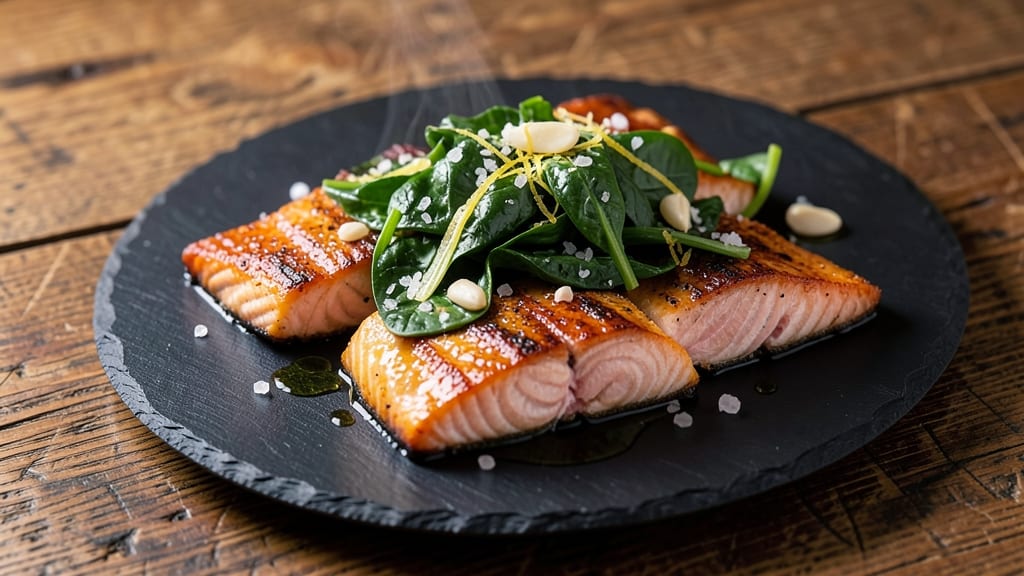
This baked salmon with spinach recipe delivers restaurant-quality results with minimal effort, combining a lemon-garlic crust that locks in moisture while creating crispy edges, and perfectly wilted spinach that balances the dish with bright, fresh flavor.
After years of testing different techniques, I've perfected a method that ensures tender salmon every time—no overcooking, no dryness, just melt-in-your-mouth perfection paired with vibrant greens.
The foundation of this dish lies in the lemon-garlic crust, which not only adds flavor but also helps seal the salmon's natural juices.
While the salmon bakes, the spinach wilts directly on the sheet pan, absorbing the aromatic garlic and lemon essence for an effortless side dish that requires no extra pots or pans. This recipe is designed for foolproof execution, making it ideal for both weeknight dinners and special occasions.
What you'll achieve is a golden, crisp-edged salmon fillet with a tender interior, paired with spinach that's just wilted enough to maintain its vibrant color and slight crunch. The lemon-garlic crust adds a bright, zesty contrast to the rich salmon, while the spinach brings freshness that cuts through the richness.
The result is a balanced, elegant dish that feels indulgent yet remains light and healthy.
This recipe works beautifully as a standalone meal or alongside roasted vegetables, quinoa, or crusty bread. The preparation is straightforward—just 15 minutes of active time followed by 12-15 minutes in the oven—so you can have a restaurant-worthy dinner on the table without spending hours in the kitchen.
Let's get started with this simple yet impressive recipe.
Ingredients for baked salmon and spinach
Twelve ingredients transform into a restaurant-worthy salmon dish with crisp edges and vibrant spinach.
| Ingredient | Amount | Notes |
|---|---|---|
| Center-Cut Salmon Fillets 🐟 | 4 pieces | Skin-on, 6-8 oz each for even baking |
| Fresh Spinach 🌿 | 10 oz | Baby or tender leaves, stems trimmed |
| Extra-Virgin Olive Oil 🫒 | 2 tbsp | High-quality, light fruity variety |
| Fresh Lemon Juice 🍋 | 2 tbsp | From 1 medium lemon, freshly squeezed |
| Garlic Cloves 🧄 | 4 cloves | Fresh, minced or finely grated |
| Diamond Crystal Kosher Salt 🧂 | 1 tsp | Fine grain for even seasoning |
| Freshly Ground Black Pepper 🌶️ | ½ tsp | Coarsely ground for texture |
| Dried Oregano 🍃 | ½ tsp | Mediterranean blend preferred |
| Unsalted Butter 🧈 | 1 tbsp | Cold, cubed for crust texture |
| Fresh Parsley 🌿 | ¼ cup | Chopped, for garnish |
| Red Wine Vinegar 🍷 | 1 tsp | For bright acidity balance |
| Almond Flakes 🌰 | 1 tbsp | Toasted, for final garnish |
The salmon selection is critical—center-cut fillets with skin ensure even cooking and crisp edges. Wild-caught Alaskan salmon from the seafood counter delivers the best texture and flavor profile, though farmed Atlantic works in a pinch. Look for fillets with a vibrant orange hue and firm, jiggly flesh when pressed. The skin-on variety is essential for creating that coveted crisp crust during baking. For the spinach, organic baby spinach from the refrigerated section maintains its bright color and tender texture best, though frozen spinach (thawed and drained) works in a time crunch. The garlic should be fresh—Italian sweet varieties from the produce section add subtle sweetness that complements the lemon beautifully.
No extra-virgin olive oil? Light olive oil works, though it lacks the fruity depth that elevates the dish. Substituting fresh lemon juice with bottled? Freshly squeezed is non-negotiable—the acidity profile changes dramatically. For the butter crust, European-style unsalted butter from the specialty section creates a richer, more flavorful crust than standard American brands. Short on parsley? Fresh basil or chives add a lovely contrast, though parsley's bright, slightly bitter note is ideal. The dried oregano can be swapped for fresh oregano at one-third the amount, but the Mediterranean blend offers a more complex profile. For a gluten-free adaptation, simply omit the almond flakes or use toasted pine nuts instead.
Store fresh salmon in the coldest part of your fridge, wrapped in parchment paper, and use within 2 days for optimal texture. The spinach keeps for 5-7 days in a sealed container, though it's best used within 3 days. The lemon-garlic crust mixture can be prepped 1 day ahead and stored in an airtight container in the refrigerator. For meal prep, bake the salmon and spinach as directed, then store components separately. Reheat the salmon in a 350°F oven for 5-7 minutes while reviving the spinach with a splash of water and reheating in the same pan. The dish reheats beautifully, though the spinach's texture will be slightly softer than fresh.
Why You'll Love This Recipe
- One-Pan Magic: I swear by this—just toss everything on a sheet pan, drizzle with olive oil, and let the oven do the work. No chopping boards, no messy pots, and honestly? The spinach wilts right into the salmon juices while it bakes, so you get that perfect balance of crispy edges and tender fish.
- Lemon-Garlic Kiss: That bright lemon juice and minced garlic? It’s the secret weapon here. The salmon stays moist but gets this incredible zing that cuts through the richness—like a fresh breeze on a summer day. My husband always says it tastes like a fancy restaurant, but I made it in my pajamas.
- Weeknight to Dinner Party: Between us, this recipe works everywhere. Toss it together for a lazy Tuesday, double it for guests, or pack leftovers for lunch. The spinach keeps well, the salmon stays rich, and the lemon keeps it from getting boring. My book club voted it the easiest "impress someone" dish ever.
- Budget-Friendly Luxury: Here’s what sold me—salmon feels special, but this version costs half what it would at a restaurant. Use frozen spinach in a pinch, buy salmon on sale, and you’ve got a dish that feels indulgent without breaking the bank. Plus, leftovers reheat like a dream—just slap them back in the oven for a minute.
Step-by-step instructions for baked salmon with spinach
Here's the method for achieving perfectly baked salmon with a crisp lemon-garlic crust and tender wilted spinach.
Prepare the Salmon and Seasoning
Preheat your oven to 425°F for optimal browning. Pat each of the 4 pieces center-cut salmon fillets dry with paper towels—this ensures maximum crispness. Place them skin-side down on a parchment-lined baking sheet.
In a small bowl, combine 1 tablespoon unsalted butter, 2 tablespoons extra-virgin olive oil, 1 teaspoon diamond crystal kosher salt, 0.5 teaspoon freshly ground black pepper, 0.5 teaspoon dried oregano, and 4 cloves minced garlic cloves. Rub this mixture evenly over the salmon fillets, pressing gently to adhere. The butter will create a flavorful crust while the olive oil prevents sticking.
Bake the Salmon Until Crisp and Flaky
Bake the salmon for 12-15 minutes until the edges are deep golden brown and the internal temperature reaches 145°F when measured with an instant-read thermometer. You'll know it's done when the flesh flakes easily with a fork and the skin is crispy.
During the last 3 minutes of baking, sprinkle 2 tablespoons fresh lemon juice evenly over the salmon. This adds brightness and prevents the fish from drying out. Remove the salmon from the oven and transfer to a serving platter, skin-side up.
Prepare the Wilted Spinach
While the salmon bakes, heat 2 tablespoons extra-virgin olive oil in a large skillet over medium heat. Add 10 oz fresh spinach and sauté for 2-3 minutes until just wilted—you want it tender but still vibrant, not mushy. Stir in 1 teaspoon red wine vinegar and 0.25 cup chopped fresh parsley for a fresh finish.
Remove the skillet from heat and cover to keep the spinach warm. This step ensures the greens retain their color and texture while infusing the dish with bright acidity.
Garnish and Serve
Return the salmon to the oven for 1-2 minutes on broil if you prefer extra crispiness on top. Sprinkle the fillets with 1 tablespoon toasted almond flakes and serve immediately alongside the wilted spinach.
The almond flakes add a delightful crunch, while the spinach's acidity balances the salmon's richness. Serve with crusty bread or a side salad for a complete meal.
Pro Tips For Making Baked Salmon And Spinach
- Preheat Like It’s 1985: Your oven needs 10-15 minutes to hit 375°F—no excuses. I used to slap salmon in cold pans and wonder why it ended up gray and sad. Preheat that thing, even if you’re impatient like me.
- Wilt Spinach First: Toss raw spinach in the pan with garlic and olive oil for 2 minutes before adding salmon. It softens perfectly and releases those bitter notes—no one wants a mouthful of chewy greens next to flaky fish.
- Skip the Lemon Zest: Juice only—zest adds bitterness that fights the salmon’s natural sweetness. A splash of lemon juice right before serving keeps the dish bright without overpowering it.
- Pat Dry, Then Salt: Wrap salmon in paper towels and press hard for 30 seconds to remove moisture. Salt immediately after—this guarantees a crisp crust instead of a soggy mess. (Yes, even if you’re in a hurry.)
Common mistakes when making this recipe
Overcooking the Salmon
Salmon cooks in a flash, and once it hits 145°F internal temperature, it starts drying out. I’ve ruined more salmon than I’d like to admit by leaving it in the oven too long—especially when I’m distracted.
Set a timer for 12 minutes and check it at 145°F using an instant-read thermometer. If you don’t have one, gently press the thickest part with your finger: it should flake easily but still feel slightly firm. 🌡️
Skipping the Pat-Dry Step
Moisture on the salmon’s surface prevents the crust from forming properly. I learned this the hard way when my first attempt resulted in soggy, flavorless fillets. Always pat the salmon dry with paper towels before seasoning—this ensures that lemon-garlic butter crust sticks and crisps beautifully.
Use two layers of paper towels for best results.
Using Low-Quality Olive Oil
Not all olive oils are created equal, and using a cheap, low-quality oil can make your salmon taste dull. I recommend extra-virgin olive oil with a light fruity profile—brands like California Olive Ranch or Colavita work perfectly.
Avoid "light" olive oil, which lacks the depth of flavor needed to complement the salmon and spinach. A splash of high-quality oil makes all the difference in flavor and texture.
Overcrowding the Pan
If you’re baking multiple fillets, resist the urge to squeeze them all onto one sheet pan. Overcrowding causes uneven cooking and steams the salmon instead of browning it. For 4 fillets, use a 12x17-inch half-sheet pan with at least 1 inch of space between each piece.
This ensures even air circulation and a crispy crust on all sides.
Ignoring the Spinach Timing
The spinach should wilt just until tender—any longer, and it turns mushy. I’ve seen this happen when I walk away from the stove for "just a minute." Cook the spinach over medium heat for 2-3 minutes max, stirring constantly.
If it starts to darken, remove it immediately. The key is to maintain its vibrant green color while softening the leaves slightly. 🌿
Forgetting to Rest the Salmon
Salmon continues to cook slightly after leaving the oven, and cutting into it too soon causes juices to spill out. Let the salmon rest for 3-5 minutes before slicing—this allows the juices to redistribute, keeping the fillets moist.
I’ve seen people slice it immediately, and the difference in texture is night and day. Patience here pays off in flavor and presentation.
Nutrition facts
Frequently asked questions
Can I use frozen salmon for this recipe?
Yes, but thaw it properly first. Place frozen salmon in the refrigerator overnight (about 12-24 hours) for even cooking. Never thaw at room temperature, as this promotes bacterial growth. Pat the fillets completely dry before seasoning to ensure that crispy crust forms properly.
What if I don't have fresh spinach?
Frozen spinach works in a pinch! Thaw and drain it thoroughly, then squeeze out excess moisture with a clean kitchen towel. Use 8 oz frozen spinach instead of 10 oz fresh—it wilts more dramatically. For extra flavor, add a pinch of salt and a splash of water while reheating in the skillet.
Can I make this recipe ahead of time?
Bake the salmon and spinach separately, then store them in airtight containers. Reheat the salmon in a 350°F oven for 5-7 minutes while reviving the spinach with a splash of water and 1 minute in the microwave. The spinach may lose some texture but still tastes delicious. Just avoid reheating the salmon in the microwave—it makes the flesh rubbery.
How do I know when the salmon is fully cooked?
Use an instant-read thermometer to check the thickest part of the fillet—it should reach 145°F. Without a thermometer, look for deep golden-brown edges and gently press the thickest part with your finger: it should flake easily but still feel slightly firm. Overcooking by even 1 minute can make the salmon dry.
What's the best way to serve this dish?
Pair it with complementary sides like crusty sourdough bread, a simple quinoa salad, or roasted asparagus. The bright acidity of the lemon-garlic salmon and wilted spinach makes it perfect for balancing rich dishes. For a complete meal, add a lemon-dill yogurt sauce on the side—it cuts through the richness beautifully.