Snacks
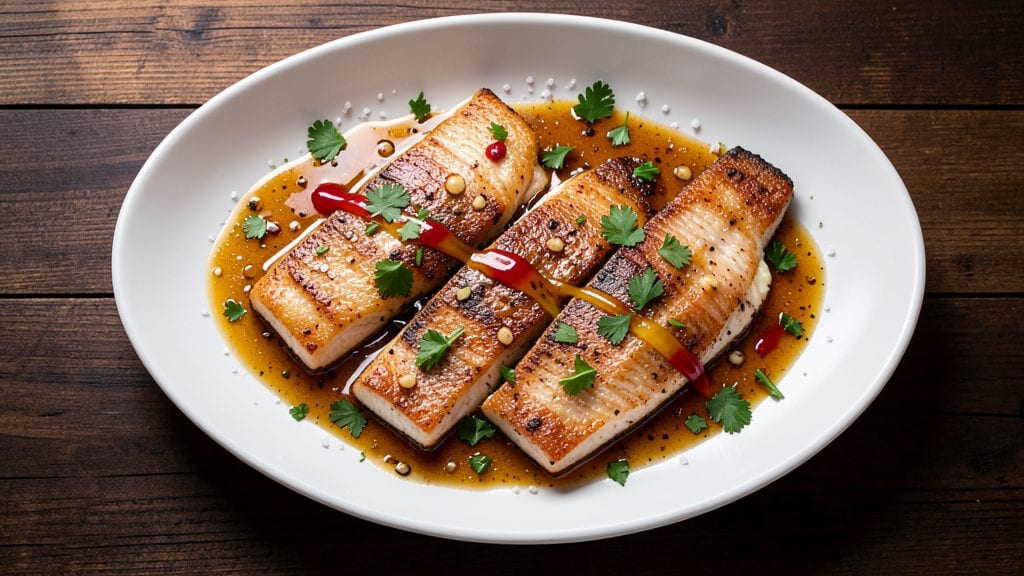
This bake trout fillet recipe promises melt-in-your-mouth perfection—just 20 minutes at 375°F yields crisp edges, flaky texture, and a buttery finish that rivals restaurant quality. This recipe cuts through the guesswork with precise timing and simple seasoning, ensuring your fish stays moist while developing a golden crust.
The secret lies in proper preparation: patting the fillets dry and seasoning them just before baking to preserve their natural flavor without overpowering it.
What sets this method apart is its versatility—pair the trout with bright lemon butter sauce, roasted asparagus, or a crisp green salad to balance its richness. The fillets cook quickly at high heat, making this an ideal weeknight dinner that still feels special.
For best results, use fresh trout fillets with the skin left on; it helps hold the shape during baking and adds subtle texture.
The outcome is a dish that’s both elegant and effortless: tender, flaky fish with a delicate crust, served alongside complementary sides that enhance rather than compete with its natural flavor.
This recipe delivers restaurant-worthy results without requiring advanced techniques or expensive equipment. Let’s get started with a foolproof method that guarantees success every time.
Once baked, presentation matters—plate the trout fillets with a drizzle of sauce, fresh herbs, or a sprinkle of lemon zest for a visually appealing finish. The crisp edges and buttery interior make this dish perfect for impressing guests or treating yourself to a simple yet satisfying meal.
With just a few ingredients and straightforward steps, you’ll master this technique in no time.
Ingredients for bake trout fillet
Fresh trout fillets, rich butter, and bright citrus create restaurant-quality flakiness in minutes.
| Ingredient | Amount | Notes |
|---|---|---|
| Fresh Trout Fillets 🐟 | 4 whole | Skin-on, 6-8 oz each |
| Unsalted Butter 🧈 | ½ cup | Melted, full-fat preferred |
| Fresh Lemon Juice 🍋 | 2 tbsp | Freshly squeezed, strained |
| Garlic Cloves 🧄 | 2 cloves | Minced, fresh preferred |
| Fresh Parsley Leaves 🌿 | ¼ cup | Chopped, for garnish |
| Kosher Salt 🧂 | 1 tsp | Fine grain, sea salt OK |
| Ground Black Pepper 🌶️ | ½ tsp | Freshly ground preferred |
| Extra-Virgin Olive Oil 🫒 | 1 tbsp | For greasing pan |
| Lemon Zest 🍋 | 1 tsp | Fine, for garnish |
| Fresh Dill 🌿 | 0.1 cup | Chopped, optional garnish |
| All-Purpose Flour 🌾 | 1 tbsp | For dredging (optional) |
The trout fillets are the foundation. Look for fresh, skin-on fillets at your local seafood counter or well-stocked grocery store—Whole Foods or Trader Joe's often carry high-quality options. The skin should be intact and the flesh should be firm to the touch, with a clean, oceanic scent. If buying frozen, thaw in the fridge overnight for best texture. For optimal results, use fillets that are roughly 6-8 ounces each, as they'll cook evenly in the 20-minute window. If you can't find fresh trout, salmon fillets work as a substitute, though the flavor will differ slightly.
Butter is non-negotiable here—full-fat, unsalted butter creates that signature buttery finish. No butter? Olive oil works in a pinch, though the flavor will be more neutral. The lemon juice should be freshly squeezed; bottled juice lacks the brightness needed to balance the richness. If you're feeling fancy, add a pinch of cayenne to the butter mixture for subtle heat. For the garlic, fresh is best, but if you're in a hurry, garlic powder at half the amount will suffice. The parsley and dill are purely for garnish, so feel free to skip them if you're short on fresh herbs—dried herbs won't provide the same visual appeal, but they won't ruin the dish either.
This recipe is designed for simplicity, but a few small steps make all the difference. Pat the fillets dry with paper towels before seasoning—this ensures a crisp crust. Store any unused butter in an airtight container in the fridge for up to 3 months, and keep lemon juice in a sealed container in the freezer for up to 6 months. The baked fillets reheat beautifully; wrap them in foil and warm in a 300°F oven for 5-7 minutes. For meal prep, bake an extra fillet or two and store them in the fridge for up to 2 days, or freeze for 1 month. The sauce can be made ahead and reheated gently on the stove.
Why You'll Love This Recipe
- Foolproof Timing: I swear by this—just 15 minutes of hands-on work, then hands-off baking. The butter and lemon melt into that flaky trout while you sip wine or answer emails. No babysitting required.
- Bright, Buttery Magic: That crispy skin? Pure reward. The butter and garlic caramelize into a golden crust, while the lemon brightens every bite—like a hug for your taste buds. (Yes, even on a Tuesday night.)
- Weeknight to Dinner Party: Same recipe, different vibes. Serve it with crusty bread for a lazy lunch or drizzle with extra parsley for a fussy-free dinner guest showstopper. The trout’s mild flavor lets it shine in any setting.
- Budget-Friendly Luxury: Fresh trout feels fancy, but it’s actually my go-to cheap protein. A single fillet feeds two, and leftovers reheat beautifully in a pan—no sad, dry fish here. Plus, butter and garlic stretch further than you’d think.
Step-by-step instructions for baked trout fillets
This method delivers perfectly flaky, buttery trout with crisp skin and vibrant herb notes every time.
Prepare the Trout and Seasoning
Pat each of the 4 whole fresh trout fillets dry with paper towels, especially focusing on the skin side. This step is crucial for achieving crisp skin—moisture creates steam instead of browning. Place the fillets skin-side down on a clean work surface.
In a small bowl, combine the 1 tablespoon all-purpose flour, 1 teaspoon kosher salt, and 0.5 teaspoon ground black pepper. Lightly dredge each trout fillet in this mixture, pressing gently to adhere the seasoning evenly. The flour creates a delicate crust that enhances texture without overpowering the delicate fish flavor.
Create the Herb Butter Mixture
In a separate bowl, melt the 0.5 cup unsalted butter in the microwave in 20-second intervals, stirring between each interval until completely smooth. Add the 2 cloves minced garlic, 2 tablespoons fresh lemon juice, 1 teaspoon lemon zest, 0.25 cup chopped fresh parsley leaves, and 0.1 cup chopped fresh dill. Stir well to combine all ingredients thoroughly.
Taste the mixture and adjust seasoning if needed—this herb butter will be the star of your dish. The acidity from the lemon juice brightens the butter while the herbs add freshness that complements the trout's natural flavor. Let the mixture cool slightly while you prepare the baking dish.
Arrange and Bake the Trout
Preheat your oven to 400°F. Lightly grease a baking dish with the 1 tablespoon extra-virgin olive oil. Arrange the seasoned trout fillets skin-side down in the prepared dish, leaving about 1 inch between each fillet. This spacing prevents them from steaming and ensures even browning.
Spoon the herb butter mixture evenly over the top of each trout fillet, pressing down gently to help the butter adhere. Bake for 12-15 minutes until the skin is golden brown and crisp, and the flesh flakes easily when tested with a fork. The trout is perfectly cooked when it reaches an internal temperature of 145°F.
Rest and Serve
Remove the trout from the oven and transfer to a serving platter. Let them rest for 3-5 minutes before serving. This brief resting period allows the juices to redistribute throughout the fillets, ensuring each bite remains moist and flavorful.
Serve immediately with the remaining herb butter spooned over the top. The combination of crisp skin, flaky flesh, and vibrant herb butter creates a restaurant-quality dish that's simple to prepare at home. Pair with a fresh green salad or steamed vegetables for a complete meal.
Pro Tips For Making Bake Trout Fillet
- Preheat Like a Pro: Fire up your oven to 375°F (190°C) and let it scream hot for 10 full minutes before adding the trout. I learned this the hard way—cold pans and lukewarm ovens make for sad, undercooked fish that flakes apart like overcooked pasta. Trust me, the extra wait guarantees even cooking.
- Pat Dry, Then Salt: Wrap the fillets in paper towels and press hard—you want them bone dry before seasoning. Salt them right after (about ½ tsp per fillet) so the skin crisps instead of steaming. I used to skip this, and my butter would just melt into a sad, greasy puddle.
- Butter the Skin First: Rub the skin side of the fillets with softened butter before flipping them skin-side down in the pan. This creates a golden, shatterproof crust while the flesh stays tender. (Yes, even if you’re impatient like me—just don’t rush the initial 4-5 minutes under the broiler.)
- Lemon After Baking: Squeeze the lemon over the finished trout, not before. The acid will cut through the richness and brighten the parsley, but adding it early makes the fish taste dull. A little zest on top right before serving? That’s the cherry—don’t skip it.
Perfect pairings for bake trout fillet
Citrus Brightness
Fresh lemon juice and zest are game-changers for baked trout—bright, tangy notes cut through the richness of the butter and fish. I squeeze 2 tablespoons of fresh lemon juice directly over the fillets before baking, then finish with 1 teaspoon lemon zest after resting.
For extra zing, add a final squeeze of lemon at the table. 🍋
Herb Butter Sauce
The star of this dish is the herb butter mixture—melt ½ cup unsalted butter with 2 minced garlic cloves, ¼ cup chopped parsley, and ⅛ cup chopped dill. Spoon this over the fillets before baking, then drizzle extra sauce over the finished dish.
For a smoky twist, swap half the dill for thyme or rosemary. Store leftover sauce in an airtight container in the fridge for up to 5 days.
Roasted Vegetable Sides
Roasted asparagus or Brussels sprouts make perfect partners—their caramelized edges contrast beautifully with the trout's delicate texture. Toss 1 lb asparagus with 1 tablespoon olive oil, ½ teaspoon salt, and ¼ teaspoon black pepper**, then roast at 400°F for 12-15 minutes alongside the trout.
Add a pinch of red pepper flakes for heat. 🌱
Crisp Green Salad
A simple arugula salad with a light vinaigrette balances the richness. Toss 4 cups baby arugula with 2 tablespoons olive oil, 1 tablespoon lemon juice, and a pinch of salt.
Top with ¼ cup shaved Parmesan and 2 tablespoons toasted pine nuts for crunch. The peppery greens refresh your palate between bites.
Wine Pairings
Crisp whites shine here—try a Sauvignon Blanc from New Zealand for its citrusy acidity or a Pinot Grigio from Italy for a lighter option. For red lovers, a light Pinot Noir complements the dish without overpowering it. Serve chilled at 45-50°F to enhance the trout's natural flavors. 🍷
Beverage Alternatives
If wine isn't your thing, a sparkling water with lemon keeps things refreshing, or a light lager like Peroni adds effervescence. For a non-alcoholic option, mix ½ cup sparkling apple cider with 1 tablespoon fresh lime juice for a festive touch. The carbonation helps cleanse your palate between bites.
Nutrition facts
Frequently asked questions
How do I know when trout fillets are fully cooked?
The trout is perfectly cooked when it reaches an internal temperature of 145°F and the flesh flakes easily with a fork. The skin should also be golden brown and crisp. For best results, use a meat thermometer to check the thickest part of the fillet.
Can I bake trout fillets without skin?
Yes, but the skin helps hold the shape and adds subtle texture. If removing the skin, place the fillets skin-side down on parchment paper to prevent sticking. The cooking time remains the same (12-15 minutes at 400°F), but the texture may be slightly less crisp.
What if my trout fillets stick to the baking dish?
Sticking usually happens if the fillets aren't dry or the dish isn't properly greased. Always pat the fillets completely dry with paper towels and use 1 tablespoon olive oil to grease the dish. For extra insurance, place parchment paper in the dish before adding the fillets.
Can I make this recipe ahead of time?
Bake the fillets fresh for best results, but you can prep components ahead: make the herb butter sauce (stores for 5 days in the fridge) and chop herbs. For leftovers, refrigerate baked fillets for 2 days or freeze for 1 month. Reheat gently in the oven at 300°F for 5-7 minutes.
What's the best way to store leftover herb butter?
Transfer the herb butter to an airtight container and refrigerate for up to 5 days. To reheat, warm gently in a saucepan over low heat or microwave in 10-second bursts. For longer storage, freeze the butter in an ice cube tray for 3 months.