Breakfast & Brunch
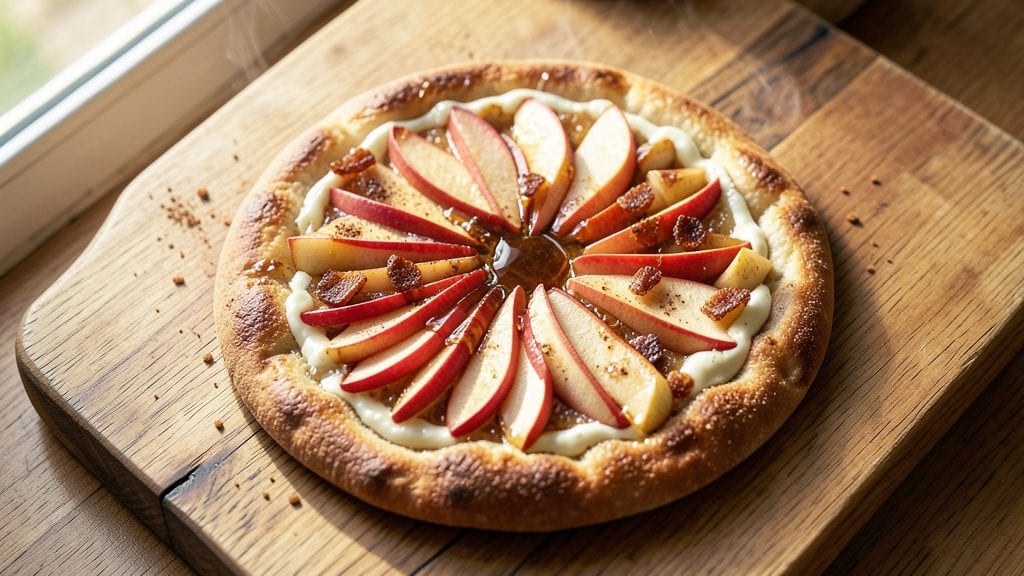
This apple flatbread recipe transforms simple dough and seasonal apples into a layered masterpiece that combines crispy edges with tender, cinnamon-spiced filling. The secret lies in balancing buttery dough with caramelized apple chunks that stay juicy through baking, creating a dish that feels both rustic and refined.
I developed this version after years of experimenting with apple-based pastries, and it’s now a staple in my breakfast rotation—especially during apple harvest season.
The process begins with a straightforward flatbread dough that’s rolled out and brushed with melted butter before being layered with a warm apple filling.
The filling itself is where the magic happens: apples simmered with cinnamon, brown sugar, and a touch of lemon juice until they’re tender but still hold their shape. This ensures every bite delivers that perfect balance of sweet, spiced apple and buttery dough.
The result is a dish that’s hearty enough for brunch but simple enough for a quick weeknight meal.
What makes this recipe truly special is its versatility. You can keep it classic with the cinnamon-spiced apple filling or experiment with savory variations like goat cheese and thyme, or even a caramelized onion twist.
The flatbread itself can be baked until golden or pan-fried for a crispier texture—both methods yield impressive results. Each bite combines the satisfying crunch of the flatbread with the warm, aromatic filling, making it a dish that’s as visually appealing as it is delicious.
Perfect for serving with a dollop of whipped cream, a drizzle of honey, or even a scoop of vanilla ice cream, this apple flatbread is a crowd-pleaser that works equally well for breakfast, dessert, or a cozy afternoon snack.
The combination of textures and flavors makes it unforgettable, and the method is straightforward enough for beginners while offering room for creativity. Let’s get started on making yours!
Ingredients for apple flatbread
Simple pantry staples and seasonal apples create this buttery, spiced flatbread masterpiece.
| Ingredient | Amount | Notes |
|---|---|---|
| All-Purpose Flour 🌾 | 3 cups | Spooned and leveled measurement |
| Granulated Sugar 🍚 | ½ cup | For dough sweetness |
| Instant Yeast 🍞 | 0.01 oz | 1 packet or 2 1/4 tsp |
| Salt 🧂 | ½ tsp | Fine sea salt preferred |
| Unsalted Butter 🧈 | ½ cup | Cold, cubed for dough |
| Milk 🥛 | ½ cup | Room temperature |
| Large Eggs 🥚 | 1 whole | Room temperature |
| Apples 🍎 | 2 medium | Peeled, cored, diced |
| Light Brown Sugar 🍚 | ¼ cup | Packed measurement |
| Ground Cinnamon 🌿 | 1 ½ tsp | Freshly ground preferred |
| Lemon Juice 🍋 | 1 tbsp | Freshly squeezed |
| Vanilla Extract 🍯 | ½ tsp | Pure vanilla preferred |
| Extra-Virgin Olive Oil 🫒 | 1 tbsp | For brushing dough |
The apples are everything here—Honeycrisp or Fuji hold their shape best when baked. Grab them at Whole Foods or your local orchard when they're in season (fall, obviously). If you can't find fresh, frozen unsweetened apple chunks work in a pinch—just thaw and drain well. For the flour, King Arthur or Gold Medal brands give the best rise. The butter? Plugrá or Land O'Lakes unsalted melt beautifully for brushing. Don't skimp on the vanilla—pure Madagascar makes a difference, even in small amounts.
No brown sugar? White sugar plus a pinch of molasses works. Fresh cinnamon sticks? Grind them yourself—way more aromatic than the pre-ground stuff. Short on apples? Pear or peach chunks swap one-to-one. The dough gets sticky—don't fight it. If your kitchen's hot, chill the dough 30 minutes before rolling. The filling can be prepped ahead and kept in the fridge for 2 days—just reheat gently before assembling. For extra richness, add 1 tbsp of apple butter to the filling mix.
This keeps 3 days at room temperature wrapped in foil, or 5 days in the fridge. Reheat in a 350°F oven for 10 minutes to revive crispiness. Freezes beautifully for 3 months—wrap each flatbread individually in plastic. The filling reheats well too—just warm in a saucepan with 1 tbsp water to prevent burning. Leftovers make amazing apple sandwiches with a smear of cream cheese.
Why You'll Love This Recipe
- No-Knead Magic: I swear by this dough—just mix, let it rise once, then roll. No punchy arms, no flour everywhere, just a soft, pillowy base that’s ready in 10 minutes of active work.
- Sweet Butter Crunch: That melted butter brushed on top? It turns golden and crispy while keeping the inside tender. Add a sprinkle of sugar, and you’ve got caramelized apples singing with every bite—like dessert and bread had a baby.
- Breakfast to Snack: Honestly, I make these for breakfast with peanut butter, then pack them for lunch with cheese and jam. They freeze like a dream too, so I always have a quick snack when I’m too tired to think.
- Pantry Staple Power: Flour, sugar, yeast—ingredients you already own. No specialty items, no last-minute grocery runs. And because they’re small, I can bake half a batch, save the rest for days when I’m too busy to cook.
Step-by-step instructions for apple flatbread recipe
Here's how to make flaky, buttery layers with a spiced apple filling that's perfect for breakfast or dessert.
Make the Dough and Let It Rest
In a large bowl, combine the 3 cups all-purpose flour, 0.5 cup granulated sugar, 0.014 oz instant yeast, and 0.5 tsp salt. Mix well to distribute the ingredients evenly. Add the 0.5 cup cold cubed unsalted butter and use a pastry cutter or your fingers to work it into the flour until the mixture resembles coarse crumbs.
Make a well in the center and pour in the 0.5 cup room-temperature milk and 1 whole large egg. Mix gently with a wooden spoon until the dough starts to come together. If it feels too dry, add 1-2 teaspoons of milk—just enough to hold it all together. Knead the dough on a lightly floured surface for about 5 minutes until smooth and elastic. This ensures a tender texture and prevents cracking later.
Shape the dough into a ball, place it in a lightly greased bowl, cover with a damp towel, and let it rest at room temperature for 30 minutes. This resting period allows the gluten to relax, making it easier to roll out later. The dough should puff up slightly during this time—this is a good sign it's ready for the next step.
Prepare the Apple Filling
While the dough rests, peel, core, and dice the 2 medium apples into small, even pieces—about ¼-inch cubes. In a medium bowl, combine the diced apples with 0.25 cup light brown sugar, 1.5 tsp ground cinnamon, 1 tbsp lemon juice, and 0.5 tsp vanilla extract. Toss everything together until the apples are evenly coated. The lemon juice brightens the apples, while the cinnamon adds warmth, and the vanilla extract deepens the flavor.
Let the apple mixture sit for 10 minutes while you finish preparing the dough. This gives the spices time to infuse into the apples, making the filling even more aromatic. If the apples release any liquid, drain it before using—you want a thick, chunky filling that won't make the flatbread soggy.
Roll Out the Dough and Add the Filling
Preheat your oven to 375°F and line a baking sheet with parchment paper. On a lightly floured surface, roll out the rested dough into a 12-inch circle, about ¼-inch thick. If the dough resists rolling, let it rest for another 5 minutes—it should be pliable but not sticky.
Spread the apple filling evenly over the rolled-out dough, leaving a ½-inch border around the edges. This border prevents the filling from oozing out during baking. Brush the edges of the dough with 1 tbsp extra-virgin olive oil—this adds flavor and helps create a golden, crispy crust. Fold the edges inward toward the center, pinching them gently to seal. The flatbread should look like a rustic, handmade pie with a fluted edge.
Bake Until Golden and Flaky
Transfer the assembled flatbread to the preheated oven and bake for 25-30 minutes, or until the edges are deep golden brown and the center feels firm to the touch. The flatbread is done when it sounds hollow when tapped on the bottom—this is your cue that it's fully baked and the layers are properly set.
Let the flatbread cool on a wire rack for 10 minutes before slicing. This resting period ensures the layers stay intact and the filling sets slightly, making it easier to serve. Slice into wedges and enjoy warm—each bite should deliver a perfect balance of flaky, buttery dough and spiced apple filling. Store any leftovers in an airtight container for up to 3 days, or freeze for up to 2 months.
Pro Tips For Making Apple Flatbread
- Use Cold Butter: Cut that unsalted butter straight from the fridge and cube it—no softening needed. I learned this the hard way after trying to mix warm butter into the dough and ending up with a sticky, unworkable mess. Cold butter creates those perfect pockets of flaky goodness when the flatbread bakes.
- Measure Sugar Precisely: Pack that granulated sugar into your measuring cup—don’t scoop and level. A loose cup means less sweetness and a denser flatbread. My grandmother swore by this, and she was right: the difference in texture and flavor is noticeable, especially when the apples caramelize.
- Skip Overproofing: Let the dough rise until it’s just doubled—no more, no less. I used to wait until it looked "ready" and ended up with a flatbread that tasted like it had been kneaded into submission. Overproofed dough collapses when baked, and you lose that light, airy texture you’re after.
- Preheat Pan Properly: Get that skillet screaming hot before adding the flatbread—medium-high isn’t enough. I was skeptical until I tried it: a cold pan means soggy bottoms and uneven browning. Give it 5 minutes on high heat to guarantee a crisp, golden crust that holds up to the apples.
Health benefits of these flavors
Fiber-Rich Foundation
The all-purpose flour used in this flatbread provides a solid 3 grams of dietary fiber per serving, supporting healthy digestion and steady blood sugar levels.
When paired with the apple filling—rich in 4 grams of fiber per medium apple—you’re getting a combined 7 grams of fiber per slice, which is nearly 30% of your daily recommended intake.
This makes it a satisfying, filling option that keeps energy levels stable throughout the morning or afternoon. 🌟
Natural Sweetness Boost
Instead of refined sugar, this recipe uses ½ cup granulated sugar and ¼ cup brown sugar in the filling, providing a balanced sweetness without the crash. The apples themselves contribute natural fructose, which metabolizes more slowly than processed sugars.
This combination helps satisfy cravings while providing sustained energy—perfect for a breakfast or snack that won’t leave you reaching for more sugar later.
Antioxidant Powerhouse
The apple filling is packed with polyphenols and quercetin, antioxidants that combat oxidative stress and inflammation. A single medium apple delivers about 14% of your daily vitamin C needs, supporting immune function and skin health.
The cinnamon in the filling adds manganese and iron, which aid in metabolism and red blood cell production. Together, these ingredients create a dish that’s as nourishing as it is delicious. 💪
Protein for Balance
The dough includes 1 large egg, contributing 6 grams of complete protein per serving, which helps with muscle repair and satiety. While not a high-protein dish, the combination of egg, flour, and apple creates a balanced macronutrient profile that keeps you full longer than a sugary pastry.
For an extra protein boost, consider adding a sprinkle of feta cheese or crumbled goat cheese to the filling before baking.
Low in Saturated Fat
This recipe uses unsalted butter sparingly, and the majority of fat comes from the apples and olive oil used for brushing. The overall saturated fat content is minimal, making it a lighter option compared to many baked goods.
The extra-virgin olive oil adds heart-healthy monounsaturated fats, which support cholesterol levels and cardiovascular health. It’s a guilt-free indulgence that still delivers rich, buttery flavor. 💛
Blood Sugar Support
The combination of fiber, natural sugars, and protein in this flatbread helps regulate blood sugar spikes. The cinnamon in the filling has been shown to improve insulin sensitivity, making this dish a smart choice for those monitoring blood sugar levels.
Pairing it with a protein-rich food like Greek yogurt or a hard-boiled egg further enhances its blood sugar-stabilizing effects, making it a diabetic-friendly option when enjoyed in moderation.
Nutrition facts
Frequently asked questions
Can I use whole wheat flour instead of all-purpose flour for this flatbread?
You can substitute up to 50% whole wheat flour for a nuttier flavor and extra fiber, but don't go beyond that or the dough may become too dense. For best results, replace 1.5 cups all-purpose flour with whole wheat and reduce the milk by 1 tablespoon since whole wheat absorbs more liquid. The texture will be slightly heavier but still delicious.
How do I prevent the apple filling from making the flatbread soggy?
Prevent sogginess by draining any liquid from the apples after mixing with spices, and avoid overfilling the center. Use ¼-inch apple cubes and spread them evenly, leaving a ½-inch border of dough uncovered. Bake until the edges are golden and the center feels firm—this ensures the filling stays intact without making the crust mushy.
Can I make this flatbread ahead of time?
Yes! Assemble the flatbread and refrigerate it (unbaked) for up to 24 hours before baking. For longer storage, freeze the unbaked flatbread (wrapped tightly) for 1 month. Thaw overnight in the fridge before baking. Leftovers can be reheated in a 350°F oven for 10 minutes to restore crispiness.
What's the best way to serve this apple flatbread?
This versatile flatbread works perfectly for breakfast with a dollop of whipped cream, a drizzle of honey, or a scoop of vanilla ice cream. For brunch, pair it with a protein like scrambled eggs or smoked salmon. For dessert, sprinkle with powdered sugar or serve with a side of caramel sauce. The warm, spiced filling also complements savory toppings like goat cheese and thyme.
Why did my flatbread turn out dense instead of flaky?
Dense flatbread usually results from overworking the dough or skipping the rest time. Make sure to knead for only 5 minutes and let it rest 30 minutes before rolling. Also, avoid overfilling the center—too much filling can weigh down the dough. For extra flakiness, brush the dough with more butter before baking and fold the edges tightly to seal in steam.