Side Dishes
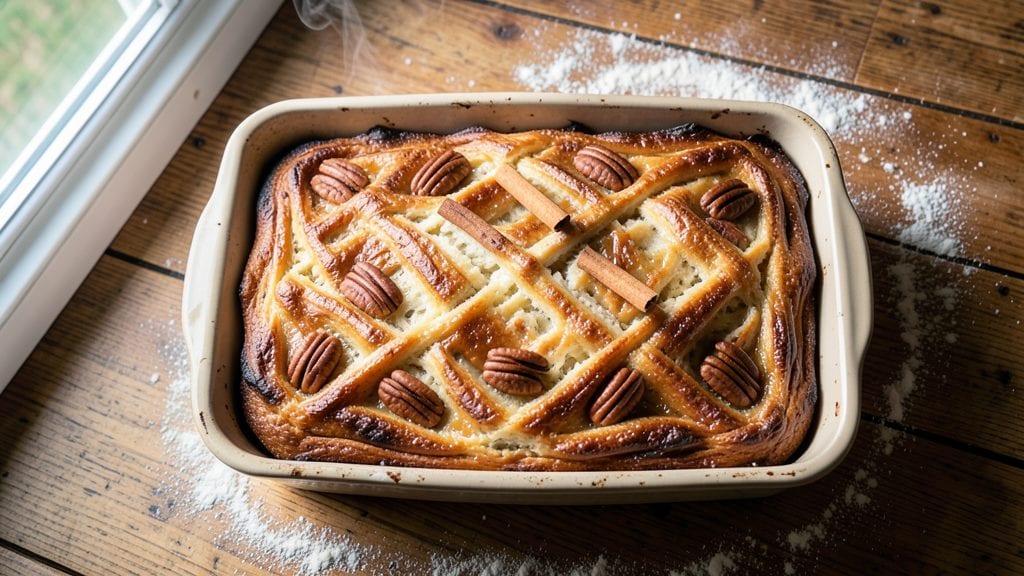
This Amish cinnamon bread recipe brings the heartwarming aroma of farmhouse kitchens straight to your oven, blending traditional techniques with Pioneer Woman's signature touches. The secret lies in a simple no-knead dough that develops rich flavor overnight, paired with a swirl of cinnamon-sugar that transforms into caramelized perfection.
After years of perfecting this recipe, I've found the right balance between tender crumb and crispy edges—just like Grandma used to make, but with a few modern shortcuts.
The beauty of this recipe is in its simplicity: just five core ingredients create a loaf that's impossible to resist. The dough gets its signature texture from a slow rise in the refrigerator, which develops deep flavor and creates that coveted oven spring.
While the bread bakes, the cinnamon-sugar mixture transforms into sticky, caramelized strands that pull apart with every bite. This is the kind of bread that disappears faster than you can say "breakfast time."
What you'll end up with is a golden-brown loaf with a tender, slightly sweet crumb and those signature cinnamon swirls that look almost too pretty to eat.
The aroma alone will have your whole house smelling like a country kitchen, and the taste delivers on that promise of warm, spiced comfort. Perfect for breakfast with butter and jam, as a coffee companion, or even sliced for toast—this bread is versatile enough for any time of day.
For those who love tradition with a modern twist, I've included variations like adding a streusel topping or swapping brown sugar for turbinado. The dough can be made ahead and baked fresh when you're ready, making this recipe perfect for busy mornings.
Let's get started on creating your own farmhouse classic.
Ingredients for amish cinnamon bread recipe pioneer woman
Five simple staples transform into a fragrant loaf with caramelized cinnamon swirls—just like Grandma's.
| Ingredient | Amount | Notes |
|---|---|---|
| All-Purpose Flour 🌾 | 4 cups | Sifted for best texture |
| Granulated Sugar 🍚 | ¼ cup | White or light brown |
| Instant Yeast 🍞 | 2 tsp | Ensure freshness |
| Unsalted Butter 🧈 | ½ cup | Cold, cubed for dough |
| Large Eggs 🥚 | 1 whole | Room temperature |
| Whole Milk 🥛 | ½ cup | Warmed slightly |
| Ground Cinnamon 🌶️ | ½ cup | Freshly ground preferred |
| Light Brown Sugar 🍚 | ½ cup | Packed firmly |
| Salt 🧂 | 1 tsp | Fine sea salt |
| Vanilla Extract 🌿 | 1 tsp | Pure vanilla preferred |
The flour is key here—King Arthur or Gold Medal work best for that tender crumb. I always grab the organic flour from Whole Foods when I can, but the regular grocery store stuff is fine too. For the cinnamon, Penzeys or McCormick make a noticeable difference—it's worth the splurge if you're a cinnamon lover. The butter should be cold when you mix it in (that's the secret to flaky layers), but don't worry if it softens a bit during the dough process. And that milk? Warm it up just enough to dissolve the sugar—no need to boil it.
No vanilla extract? Vanilla bean paste works just as well, or even a dash of vanilla sugar. Running low on brown sugar? Turbinado sugar at 1:1 ratio gives a nicer crunch. The dough can handle a pinch of nutmeg too if you're feeling fancy. For the cinnamon-sugar mix, I like to add a generous pinch of salt to balance the sweetness—trust me on this. And if you're making this ahead, the dough keeps beautifully in the fridge for up to 48 hours before baking.
This dough is a dream to prep ahead—mix it the night before and let it rise in the fridge. The cinnamon-sugar topping stays fresh for 3 days if you make it separately. Wrap the dough in plastic and it'll keep up to 5 days in the fridge. For leftovers, slice and toast—it's even better the second day. And if you're feeling ambitious, freeze the unbaked loaf for up to 3 months. Just thaw overnight before baking.
Why You'll Love This Recipe
- I’ll be real: this bread is my go-to for toast in the morning, but it’s also the star of my coffee cake game. Toast it, slice it thick, or even freeze it for a quick treat later—it handles everything.
- No-Knead Magic: This dough comes together with just a bowl and a wooden spoon—no stand mixer, no fuss. The instant yeast means it rises faster than my old yeasty failures, and the butter keeps it tender without overworking it.
- Warm Spice Hug: That first slice—still warm, with the cinnamon-sugar swirl melting into the soft bread? Honestly, it’s like a hug from my grandma, but with more butter. The sugar caramelizes just enough to make every bite feel special.
- Breakfast to Dessert: I’ll be real: this bread is my go-to for toast in the morning, but it’s also the star of my coffee cake game. Toast it, slice it thick, or even freeze it for a quick treat later—it handles everything.
Step-by-step instructions for Amish cinnamon bread
Here's how to make this classic farmhouse bread with perfect swirls and warm spice notes.
Mix the Dough Base
In a large mixing bowl, combine the 4 cups all-purpose flour, 2 teaspoons instant yeast, 1 teaspoon salt, and 0.25 cup granulated sugar. Whisk gently to distribute the dry ingredients evenly. Create a well in the center and add the 1 whole large egg, 1 teaspoon vanilla extract, 0.5 cup warmed whole milk, and 0.5 cup cold cubed unsalted butter.
Using a wooden spoon or dough whisk, gradually mix the wet ingredients into the dry until a shaggy dough forms. The butter will still be in chunks at this stage—don't worry, it will incorporate as we work it. Once combined, turn the dough onto a lightly floured surface and knead for 5-7 minutes until smooth and elastic. You'll know it's ready when it springs back slowly when poked.
Prepare the Cinnamon Filling
In a small bowl, mix together the 0.5 cup light brown sugar and 0.5 cup ground cinnamon until completely combined. The mixture should look like coarse sand with no dry spots. This is the heart of your bread—where all that warm spice flavor comes from. Set this aside while you work with the dough.
Roll the dough into a 12x18-inch rectangle on a floured surface, about ¼-inch thick. Sprinkle the cinnamon-sugar mixture evenly over the dough, leaving a ½-inch border around the edges. This border prevents the filling from leaking out during baking.
Roll and Shape the Loaf
Starting from the long side, tightly roll the dough into a log, sealing the edge as you go. Pinch the seam to close completely. This creates those beautiful swirls when sliced. Transfer the log to a greased 9x5-inch loaf pan, seam-side down. Cover with a clean kitchen towel and let rise in a warm place for 1-1½ hours or until doubled in size.
Here's where patience pays off—the dough should puff noticeably and feel light when pressed gently. If it doesn't rise much, your kitchen might be too cool. A quick trick is to place the pan in an oven preheated to 200°F for 5 minutes to create a warm environment.
Bake to Golden Perfection
Preheat your oven to 350°F. Brush the top of the risen dough with a little whole milk for a golden finish. Bake for 45-50 minutes until the top is deep golden brown and the internal temperature reaches 190°F. The bread should sound hollow when tapped on the bottom.
Don't overbake—this bread is best when slightly moist inside. Let it cool in the pan for 10 minutes before transferring to a wire rack. The warm, spiced aroma filling your kitchen will make every minute of waiting worthwhile.
Slice and Serve Warm
Once cooled for 20 minutes, slice the bread into ½-inch thick pieces. The swirls should be visible through the crust, revealing those beautiful cinnamon streaks. Serve warm with butter or a sprinkle of powdered sugar for that classic Amish touch.
This bread keeps well at room temperature for 2-3 days in an airtight container, though it's best enjoyed fresh from the oven. The combination of warm cinnamon and tender crumb makes every bite taste like a visit to a Pennsylvania farmhouse kitchen.
Pro Tips For Making Amish Cinnamon Bread Recipe Pioneer Woman
- Weigh Your Butter: Use a scale for the butter—no eyeballing. That ½ cup measure can hide 10 grams of difference, and this dough is unforgiving when it comes to fat. I used to guess, and my loaves turned out either greasy or dry. Now I measure by weight, and the texture stays perfect every time.
- Proof at Room Temp: Let the dough rise in a warm spot, but not the oven—just a turned-off lightbulb in a lamp or a sunny windowsill. The Pioneer Woman recipe calls for warmth, but I learned the hard way that direct oven heat can overproof it in 30 minutes. Slow and steady wins the cinnamon swirl race.
- Skip the Overmixing: Once you add the yeast, mix just until combined—maybe 10 strokes max. Overworking the dough develops too much gluten, and this bread should be tender, not chewy. I used to worry about lumps, but this dough forgives a little roughness. Trust the process.
- Brush with Butter: After baking, let the loaf cool 10 minutes, then brush the top with melted butter while it’s still warm. It’s not in the original recipe, but it adds a subtle richness that makes the cinnamon flavor pop. (Yes, it’s an extra step—but worth it.)
Common mistakes when making this recipe
Overmixing the Dough
I’ve seen this happen more times than I can count—especially when we’re eager to get that perfect texture. Overmixing develops gluten too much, which makes the bread dense instead of tender. Stop kneading as soon as the dough springs back slowly when poked (about 5-7 minutes).
If your dough feels tough or resists shaping, you’ve gone too far. The goal is a smooth but slightly sticky dough that’s just ready to roll. 💡
Skipping the Cold Butter
The butter in this recipe needs to stay cold when mixed in—this creates those beautiful, flaky layers. If you use softened butter, the dough will become too sticky and the bread may turn out greasy or gummy.
Cut your butter into ½-inch cubes and keep it chilled until just before mixing. Even if it softens slightly during kneading, that’s okay—just don’t start with warm butter. Trust me, the texture difference is night and day.
Uneven Cinnamon Distribution
One of the most common mistakes is not sprinkling the cinnamon-sugar evenly or leaving gaps near the edges. The filling should cover the dough completely but stay ½-inch away from the edges to prevent leaks. I like to shake the pan gently to help the mixture settle evenly.
If you see dry spots, sprinkle a little more—those caramelized swirls are what make this bread special. Uneven filling leads to uneven flavor and less impressive presentation.
Baking at the Wrong Temperature
This bread needs a steady 350°F oven temperature for even baking. If your oven runs hot, reduce the temp to 325°F to prevent burning the crust before the center is done. I always test my oven with an oven thermometer—many home ovens are off by 25°F or more.
Overbaking dries out the bread, while underbaking leaves it gummy. Aim for an internal temp of 190°F and a deep golden brown crust.
Not Letting the Dough Rise Enough
A rushed rise is the fastest way to ruin this bread. The dough needs 1-1½ hours to double in size for that perfect oven spring. If your kitchen is cool, use the 200°F oven trick for 5 minutes to create a warm environment.
Press the dough gently—if it springs back slowly, it’s ready. Underproofed dough collapses during baking, resulting in a dense loaf instead of that light, airy texture we love.
Greasing the Pan Improperly
Use a high-smoke-point oil like vegetable or canola oil to grease your loaf pan thoroughly—don’t just drizzle it lightly. The dough should release cleanly when inverted. I like to use a pastry brush for even coverage. If the bread sticks, you’ll end up with a torn crust and lost filling.
For extra insurance, line the pan with parchment paper cut to fit, then grease the paper. This ensures easy removal and a perfect shape every time. 🌟
Nutrition facts
Frequently asked questions about Amish cinnamon bread
Can I make this bread without a stand mixer?
This recipe is designed to be made by hand. After mixing the wet and dry ingredients, simply turn the dough onto a lightly floured surface and knead for 5-7 minutes by hand until smooth and elastic. The key is to keep the butter cold—this creates those flaky layers even without a mixer. Just work the dough gently but firmly until it springs back slowly when poked.
What's the best way to store leftover cinnamon bread?
Wrap the cooled loaf tightly in plastic wrap or aluminum foil, then place it in an airtight container. It stays fresh at room temperature for 2-3 days. For longer storage, freeze slices between parchment paper for up to 3 months. To revive frozen bread, warm slices in a 350°F oven for 5-10 minutes until toasty. The cinnamon flavor actually intensifies after the first day!
Can I substitute brown sugar for white sugar in the dough?
You can use brown sugar in place of white sugar in the dough, but reduce the amount by 25% to account for its moisture content. For example, use 3 tablespoons brown sugar instead of 0.25 cup white sugar. Brown sugar adds a subtle molasses flavor that pairs beautifully with the cinnamon. Just be aware the dough may be slightly stickier, so you might need to add an extra 1 tablespoon flour when kneading.
Why did my bread turn out dense instead of light and fluffy?
Dense bread usually results from overmixing the dough (developing too much gluten) or not letting it rise long enough. The dough should rise until it's doubled in size (about 1-1½ hours). If your kitchen is cool, try the 200°F oven trick for 5 minutes to create a warm environment. Also, make sure your yeast is fresh—old yeast won't activate properly, leading to poor rise and dense texture.
Can I make this bread in a different shape, like a round loaf?
Yes! After rolling out the dough and adding the cinnamon-sugar filling, you can shape it into a round loaf or even individual rolls. For a round loaf, roll the dough into a circle, sprinkle the filling evenly, then roll it up into a spiral before placing it in a greased round cake pan. Bake at 350°F for 35-40 minutes until golden. The spiral shape creates beautiful cinnamon swirls when sliced—perfect for serving with breakfast!