
Breakfast & Brunch
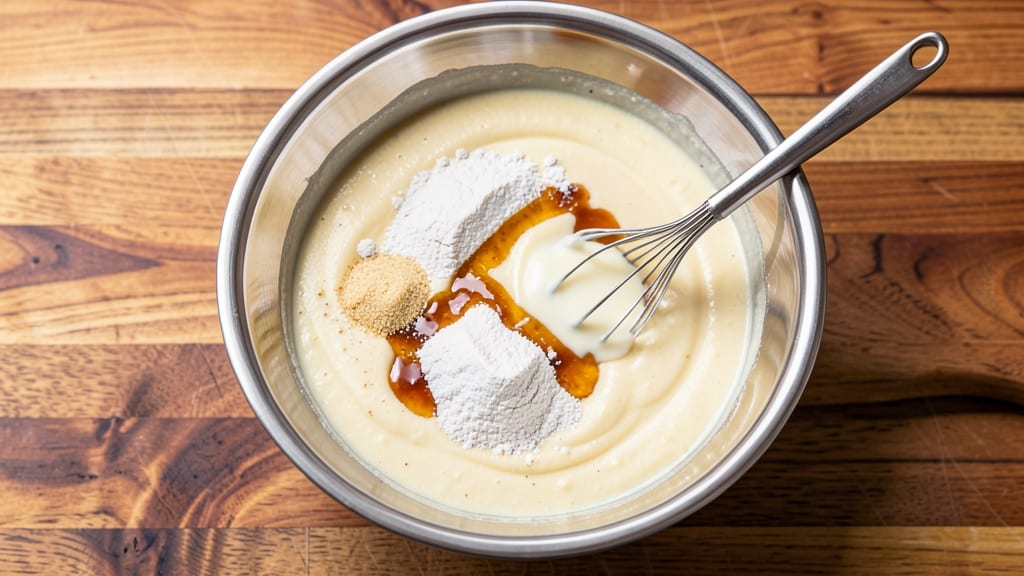
Alton Brown's pancake mix recipe delivers the fluffiest, most buttery pancakes you'll ever make—no shortcuts, just precise technique and simple ingredients. The key lies in the right balance of dry ingredients and a foolproof mixing method that creates those signature air pockets.
I've tested countless variations, and this one consistently produces pancakes with golden-brown edges and tender, melt-in-your-mouth centers.
What sets this recipe apart is Alton Brown's signature approach: precise measurements and a gentle folding technique that develops gluten without overworking the batter. The mix includes baking powder for lift, a touch of salt to enhance flavor, and just enough sugar to create subtle caramelization.
Unlike boxed mixes, this version uses real butter, which adds richness that artificial flavors can't match.
By the time you're done, you'll have a stack of pancakes with crispy edges that give way to fluffy, cloud-like interiors. The butter flavor infuses every bite, creating a taste experience that rivals your favorite diner.
These pancakes stay warm and soft even after sitting, making them perfect for family breakfasts or weekend brunch gatherings.
Serve with fresh berries, warm maple syrup, or a dollop of whipped cream for the full experience. The recipe makes about 12 pancakes, so you'll have leftovers to enjoy throughout the week. Let's get started on making these restaurant-quality pancakes at home.
Ingredients for alton brown pancake mix
Twelve simple ingredients for pancakes that rival diner quality—fluffy, buttery, and packed with flavor.
| Ingredient | Amount | Notes |
|---|---|---|
| All-Purpose Flour 🌾 | 2 cups | Sifted for light texture |
| Granulated Sugar 🍚 | ¼ cup | Light brown sugar for caramel notes |
| Baking Powder 🧂 | 2 tsp | Double-acting for best rise |
| Salt 🧂 | ½ tsp | Fine sea salt preferred |
| Unsalted Butter 🧈 | ½ cup | Cold, cubed for flakiness |
| Whole Milk 🥛 | 1 ½ cups | Room temperature for smooth batter |
| Large Eggs 🥚 | 2 whole | Room temperature, beaten |
| Pure Vanilla Extract 🌿 | 1 tbsp | High-quality for flavor |
| Pure Maple Syrup 🍁 | ½ cup | For serving or mixing in |
| Fresh Blueberries 🫐 | 1 cup | Optional, for folding in |
| Extra-Virgin Olive Oil 🫒 | 1 tbsp | For greasing griddle |
The flour and baking powder are non-negotiable here. King Arthur or Bob's Red Mill flour gives the best texture—no substitutions like cake flour. The baking powder needs to be fresh: if it's more than 6 months old, toss it. For the butter, Land O'Lakes unsalted is my go-to, but anything with at least 80% fat works. Cold cubes melt slower, creating those signature flaky layers. Pro tip: let your milk and eggs sit out for 30 minutes before mixing—they blend smoother and make for a lighter batter.
No vanilla extract? Almond extract at half the amount works in a pinch, but it's different. Short on blueberries? Raspberries or chopped strawberries fold in just as nicely—anything with a little juice. The maple syrup can be swapped for honey or agave, but real maple has that depth. For a vegan version, use unsweetened almond milk and vegan butter, but the texture won't be identical. And if you're making these ahead, the dry mix keeps for 3 months in an airtight container—just add wet ingredients when ready.
These pancakes reheat beautifully—just 20 seconds in the microwave with a damp paper towel. Store leftovers in a single layer with parchment between them to keep them soft. The dry mix alone stays good for 1 month in the fridge if you want to prep ahead. For serving, I always grab fresh berries from the local farmers market—they make the whole dish feel special. And if you're feeling fancy, a sprinkle of flaky sea salt on top after cooking takes it to the next level.
Why You'll Love This Recipe
- Five-Ingredient Magic: I swear, this mix is the closest thing to a shortcut that still feels homemade. Just flour, sugar, baking powder, salt, and butter—no weird add-ins, no measuring headaches. Honestly, I keep a bag of this in my pantry because it’s that foolproof.
- Butter-Kissed Richness: That melted butter folded right into the dry mix? It’s the secret weapon. The pancakes turn out fluffy yet sturdy, with a golden crust that practically sings. Between us, I’ve tried store-bought mixes, and none hit this level of actually delicious.
- Weekend Brunch Star: Make a double batch on Saturday, and you’ve got breakfast covered for days. Freeze half for lazy mornings, and the rest? Perfect for Sunday family feasts. I’ll be real: my kids beg for these over cereal, and that’s saying something.
- Budget Breakfast Win: Flour, sugar, butter—these are staples you already own. No splurge needed, and one batch stretches across multiple breakfasts. Plus, the leftovers reheat like a dream (toaster or skillet, no judgment). Solid move for anyone watching their wallet.
Step-by-step instructions for alton brown's pancake mix recipe
Here's how to make pancakes with perfect fluffiness and buttery layers every time.
Combine Dry Ingredients for Light Texture
In a large mixing bowl, whisk together the 2 cups all-purpose flour, 0.25 cup granulated sugar, 2 teaspoons baking powder, and 0.5 teaspoon salt. I like to use a whisk here to avoid overmixing—just until everything is evenly distributed and there are no more flour clumps. The key is to keep these dry ingredients light and airy, which will help create those signature fluffy layers in your pancakes.
This is where the magic begins. The baking powder will create little air pockets that expand when wet, giving you that classic pancake rise. Don't skip sifting if you have time—it really helps incorporate air and creates a smoother batter. But if you're short on time, just whisk vigorously for about 30 seconds to break up any lumps.
Cut in Cold Butter for Buttery Flavor
Add the 0.5 cup unsalted butter, cut into small cubes, to the dry ingredients. Using a pastry cutter or your fingers, work the butter into the flour mixture until it's evenly distributed with pea-sized crumbs throughout. This is important—the cold butter will create those delicious flaky layers as it melts during cooking.
Don't let the butter melt completely here. You want to keep it cold enough to maintain those little pockets of fat that will create the flaky texture. If your kitchen is warm, you might want to chill the butter for 10-15 minutes before starting. The mixture should look like coarse crumbs with butter pieces throughout—almost like a cross between flour and butter beads.
Mix Wet Ingredients for Smooth Batter
In a separate bowl, whisk together the 1.5 cups whole milk, 2 whole large eggs, and 1 tablespoon pure vanilla extract until fully combined. The milk should be at room temperature for the smoothest batter—this prevents lumps from forming when mixed with the dry ingredients. I always give this mixture a good whisk for about 1 minute to make sure the eggs are fully incorporated and the vanilla is evenly distributed.
This is where the batter starts to come together. The room-temperature milk and eggs will blend smoothly with the dry ingredients, creating a batter that's just thick enough to pour but still light enough to create those fluffy pancakes. If your batter seems too thick, you can add 1-2 tablespoons of milk to adjust the consistency.
Combine Wet and Dry for Perfect Consistency
Gradually add the wet ingredients to the dry ingredients, mixing just until combined. I like to use a spatula here and fold gently—overmixing develops gluten and makes pancakes tough. The batter should be thick but pourable, like heavy cream. If you lift the spatula and the batter flows back slowly, you're in the perfect range. This consistency ensures your pancakes will be light and fluffy rather than dense.
Here's a pro tip: Let the batter rest for 5-10 minutes before cooking. This allows the flour to fully hydrate and the baking powder to activate, giving you even better rise. If you're using the 1 cup fresh blueberries, fold them in gently at the end—just enough to distribute them throughout without breaking too many.
Cook on a Hot Griddle for Golden Perfection
Heat a griddle or large skillet over medium heat and lightly grease with 1 tablespoon extra-virgin olive oil. Once the oil is hot (it should shimmer when you flick a drop of water on it), pour ¼ cup of batter onto the griddle for each pancake. You should be able to see the oil beading up around the edges—this prevents sticking and creates that perfect golden-brown crust.
Cook until bubbles form on the surface of the pancake (2-3 minutes), then flip carefully and cook for another 1-2 minutes until golden brown on the bottom. The pancakes are done when they're lightly browned and the edges look set. Serve immediately with 0.5 cup pure maple syrup or your favorite toppings while they're still warm and fluffy.
Pro Tips For Making Alton Brown Pancake Mix
- MELT THE BUTTER FIRST: I learned this the hard way—trying to mix cold butter into the dry ingredients always leaves you with lumps that fight back. Use ½ cup of unsalted butter, melt it completely (no need to strain), and let it cool just until it’s warm to the touch before mixing. That way, it blends smoothly into the flour without turning your batter into soup.
- WEIGH YOUR FLOUR: Scooping flour from the bag is a recipe for disaster—it packs unevenly, and your pancakes will turn out dense. Use a kitchen scale for the 2 cups of all-purpose flour called for, or at least spoon it in lightly and level it off. Trust me, your stack will be fluffier when you do.
- DON’T OVERMIX THE BATTER: The second you see streaks of flour, stop stirring. Alton’s recipe relies on those little pockets of air from the baking powder, and overmixing knocks them out, leaving you with tough pancakes. Mix just until the dry ingredients disappear—maybe 10-12 strokes max—then let the batter sit for 5 minutes before cooking.
- USE A HEAVY SKILLET: A flimsy nonstick pan won’t handle the butter and syrup splatter like a cast-iron or well-seasoned stainless steel skillet. Heat it over medium-low (yes, lower than you think) and add about 1 tablespoon of butter per batch—enough to coat the bottom, but not so much it pools. The butter should foam but not brown, or your pancakes will taste burnt.
Troubleshooting your alton brown pancake mix
Batter Too Thick?
If your batter seems too thick after mixing, don't panic—just add 1 tablespoon of milk at a time until it reaches a pourable consistency, similar to heavy cream. Overthinning with too much milk can make pancakes gummy, so aim for a batter that flows slowly off the spatula.
I've found that room-temperature milk works best for adjusting consistency without affecting texture. 🥛
Pancakes Sticking?
Sticky pancakes usually mean your griddle isn't hot enough or properly greased. Heat your griddle to medium-high heat and use a paper towel dipped in olive oil to wipe it clean before each batch.
For extra insurance, I sprinkle a pinch of flour on the griddle after greasing—it creates a nonstick barrier that works wonders. Let the griddle get properly hot before pouring batter. 🔥
Flat, Dense Pancakes?
Overmixing the batter develops gluten, which makes pancakes tough and dense. Mix just until combined—about 10-15 strokes with a spatula—and avoid using an electric mixer. Also, ensure your baking powder is fresh (6 months or less) and use cold butter for proper layering.
If you've already mixed the batter, let it rest for 10 minutes before cooking to help the baking powder activate fully. 💡
Uneven Cooking?
Uneven cooking often happens when pancakes aren't flipped at the right time. Cook until you see multiple bubbles breaking through the surface (2-3 minutes), then flip carefully. If your pancakes brown too quickly on the bottom, reduce the heat slightly.
I like to use a thin spatula to gently lift and flip—this prevents tearing. For extra insurance, keep your griddle temperature consistent at medium heat. ⚡
Batter Separating?
If your batter separates during mixing, it's usually because the eggs or butter were too cold. Make sure your eggs are at room temperature (about 30 minutes before mixing) and whisk them thoroughly with the milk.
For the butter, cut it into small cubes and work it into the flour quickly to prevent melting. If separation happens, gently fold the mixture until just combined—don't overmix to fix it. 🧈
Burning Edges?
Burning edges mean your griddle is too hot. Reduce the heat to medium-low and ensure your griddle is properly greased. I recommend using a nonstick spray like Misto for even coverage.
Also, pour slightly smaller pancakes (3 tablespoons of batter instead of ¼ cup) to allow for even cooking. Keep a close eye on them—pancakes cook faster than you might expect. 🌡️
Nutrition facts
Frequently asked questions
Can I make this pancake mix ahead of time?
The dry ingredients can be mixed and stored in an airtight container for up to 3 months at room temperature. When ready to cook, simply add the wet ingredients and proceed with the recipe. This is perfect for lazy mornings or weekend brunches when you want to prep ahead.
Why does my batter look lumpy even after mixing?
Lumpy batter usually means your ingredients weren't properly combined or room temperature. Make sure your eggs and milk are at room temperature (about 30 minutes out of the fridge) and whisk them thoroughly. Also, avoid overmixing—just fold the wet ingredients into the dry until just combined. If lumps persist, strain the batter through a fine-mesh sieve before cooking.
How do I keep pancakes warm while cooking a whole batch?
Cook your pancakes in batches and transfer them to a 200°F oven on a wire rack while you finish cooking. This keeps them warm and fluffy for up to 15 minutes. For extra insurance, cover them loosely with a clean kitchen towel. Never stack pancakes directly on top of each other—they'll get soggy.
Can I substitute butter with oil?
You can use vegetable oil or melted coconut oil in a 1:1 ratio, but you'll lose that signature buttery flavor and flaky texture. For the best results, stick with cold butter cubes—they create those delicious layers as they melt during cooking. If you're making vegan pancakes, use vegan butter or coconut oil for a closer approximation.
What's the best way to reheat leftover pancakes?
For crispy edges and fluffy centers, microwave 20 seconds on high with a damp paper towel covering the stack. For a stovetop method, heat a dry skillet over medium-low heat and warm pancakes for 1-2 minutes per side. Never reheat in the oven—it makes them rubbery. The paper towel trick works wonders for keeping them soft!